Song Meaning
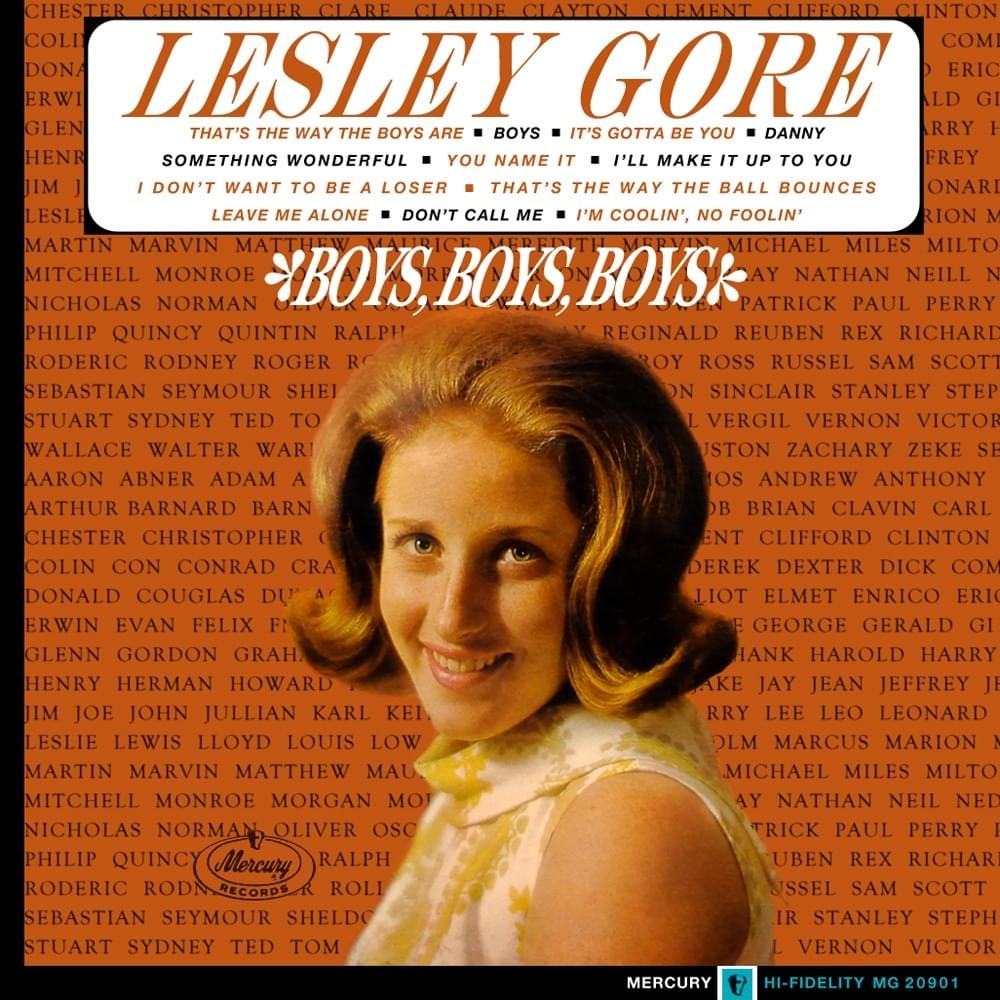
{"song_id": 14785956, "meaning": "Before Olivia Rodrigo and her army of Gen Z heartbreakers, there was Lesley Gore, coolly dismantling the patriarchy one pop song at a time. In \"Don't Call Me, I'll Call You,\" Gore flips the script on traditional courtship, asserting a young woman's right to explore her options without the suffocating pressure of premature commitment. The song meaning isn't subtle: it's a bright, defiant rejection of the idea that a woman's worth is tied to her availability to a single suitor. Gore's persona here is not pleading or heartbroken; she's in control, setting the terms of engagement with a breezy confidence that's both infectious and intimidating. The lyrical simplicity reinforces the directness of her message, cutting through any potential ambiguity with a sharp, almost transactional clarity. She sings, \"While I'm young, I'll have fun,\" positioning youthful exploration as a valid and necessary pursuit, not a frivolous distraction before settling down.
The brilliance of \"Don't Call Me, I'll Call You\" lies in its unapologetic embrace of female agency. The lyrics casually dismiss the male ego (\"You seem so sure, actin' like you're the only boy in town\"), suggesting a landscape of romantic possibilities beyond the confines of one person's expectations. Gore isn't just rejecting a specific suitor; she's rejecting the entire system that places men at the center of a woman's romantic universe. The repeated refrain, \"Don't call me, I'll call you,\" becomes a mantra of self-determination, a sonic boundary establishing who holds the power in this nascent relationship. It's a masterclass in setting boundaries, delivered with a sugary pop sheen that belies its radical message.
Beneath the surface of the catchy melody, there's a shrewd understanding of power dynamics. Gore acknowledges the eventual possibility of settling down (\"When I'm done, you will be the one I come runnin' to\"), but crucially, *she* gets to decide when that happens. This isn't about rejecting love altogether; it's about reclaiming the right to define love on her own terms, free from societal pressures and male expectations. The song's enduring appeal stems from its timeless message of female empowerment, reminding us that the pursuit of self-discovery and personal freedom is just as valid as the pursuit of romantic love. Lesley Gore, with this track, offered not just a catchy tune but a blueprint for navigating relationships with confidence and self-respect."}
 View Artist