Song Meaning
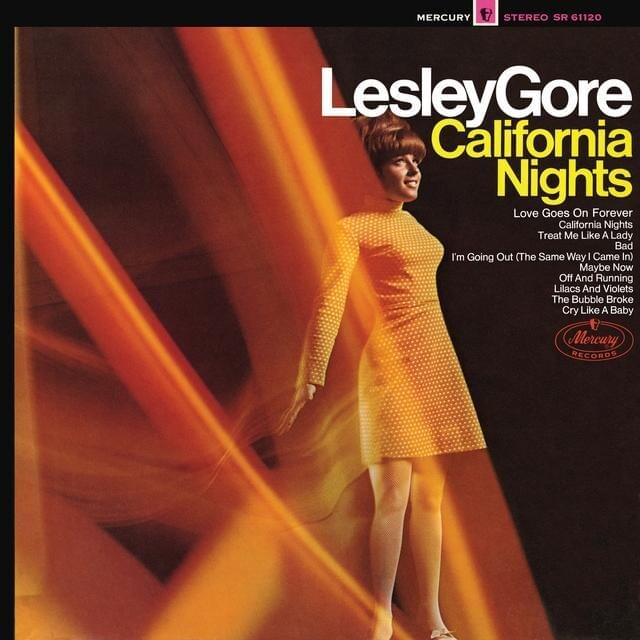
In "Cry Like a Baby," Lesley Gore, the reigning queen of 1960s teen angst, isn't just heartbroken; she's performing a private, almost ritualistic grief. The song meaning isn't simply about lost love, but the solitary act of processing it. Gore's lyrics paint a picture of a young woman whose sorrow is witnessed only by inanimate objects – her pillow, the mirror on the wall. These serve as silent confidantes, bearing witness to the "tears I have to fight" throughout the day. The "cry like a baby" refrain isn't a sign of weakness, but an acknowledgement of raw, unfiltered emotion, a temporary regression to a state of vulnerability that societal expectations demand she suppress in public. It's a stark contrast to the more assertive, rebellious persona Gore often embodied in songs like "You Don't Own Me."
Psychologically, the song delves into the duality of the private and public self. The verses emphasize the performative aspect of hiding her pain. The bridge, however, offers a glimpse of hope, a determined self-affirmation that "tomorrow will be my lucky day." This isn't just wishful thinking; it's an active attempt to reframe her narrative, to project a future where she's "the happiest of them all." The lyrics suggest a conscious effort to shift from victimhood to agency, a transition from passively enduring heartbreak to actively seeking a brighter future. The mirror, initially reflecting her "bluest" self, becomes a symbol of potential transformation.
The final verse marks a turning point. The anticipation of a reunion – "you'll be sitting there" – signals a potential resolution to her heartbreak. The repeated denial, "I won't cry like a baby," is not just a statement, but a mantra, a self-persuasion designed to banish the vulnerability she's been privately wrestling with. The song's brilliance lies in its understanding of grief as a process, a journey from private despair to the tentative embrace of hope. Lesley Gore, through her vulnerable delivery, transforms the act of crying into a symbol of resilience, a necessary step on the path to emotional recovery. Ultimately, "Cry Like a Baby" is a powerful exploration of how we navigate heartbreak, both in the solitude of our bedrooms and in the face of the world.
 View Artist