Song Meaning
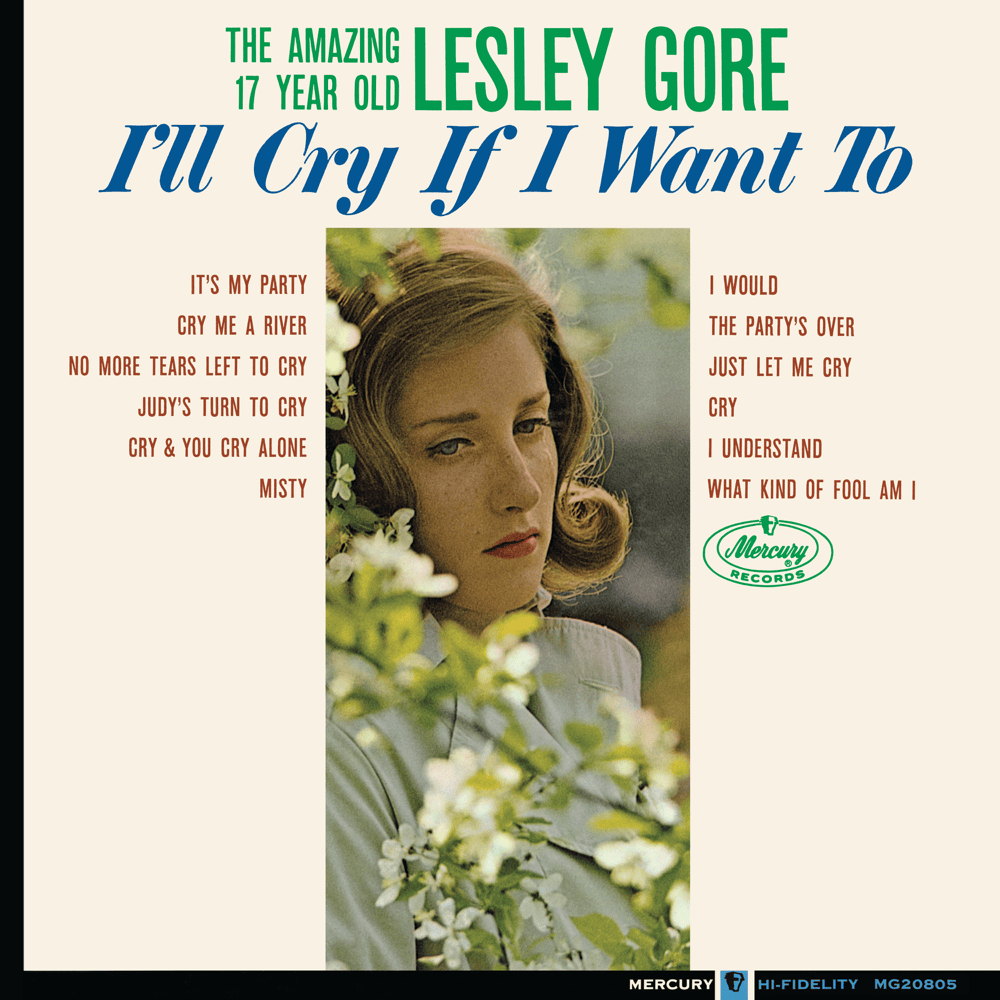
Lesley Gore's "Cry and You Cry Alone" isn't just another teenage heartbreak anthem; it's a study in emotional self-preservation. The song grapples with the aftermath of a love affair that burned bright and fast, leaving the singer to navigate the wreckage of her own expectations. The opening lines, "Cry and you cry alone / I guess I should have known / We were laughing with the world, and fell in love too fast," immediately establish a tone of rueful acceptance. There's a recognition that the whirlwind romance was unsustainable, a fleeting moment of shared joy destined to implode under its own weight.
The chorus is the core of the song's meaning. Gore sings, "Tears aren't to share with others / When happiness has flown," revealing a decision to internalize her pain. This isn't mere stoicism; it's a conscious choice to maintain a facade of normalcy, to project an image of strength even as she privately grieves. The line, "So I'll laugh, come on world, laugh with me / 'Til I cry by myself, alone," encapsulates this dichotomy. It's a performance of happiness for public consumption, a way to deflect attention from her vulnerability.
This behavior can be seen as a defense mechanism. In psychological terms, Gore's character is employing a strategy of emotional compartmentalization. By separating her public persona from her private grief, she shields herself from potential judgment or pity. The repetition of the chorus emphasizes the deliberate nature of this act. "Cry and You Cry Alone" becomes a statement about the societal pressures to maintain composure, even when facing personal devastation. It's a poignant exploration of the masks we wear and the hidden battles we fight in the quiet corners of our lives.
 View Artist