Song Meaning
The lyrics paint a picture of profound loss and the lingering ache it leaves behind. Initially, there's the image of a bird flown from its cage, a metaphor for someone or something gone, leaving only emptiness. This absence is so palpable it's described as wind passing through the empty space, a visceral sensation that makes the eyes water – "Le vent, ça mouille les yeux." It’s a quiet, almost involuntary reaction to a void.
This sense of departure is further emphasized by the second verse, detailing someone leaving with their coat, feet, and lights, slamming the door to escape their own tears. The act of sending back fragments – pieces of landscapes – suggests a communication that’s broken, distant, and perhaps regretful. The narrator connects this to boredom, stating "L'ennui, ça brûle comme le feu," a sharp contrast to the watery eyes of loss, indicating a different kind of painful, consuming emptiness.
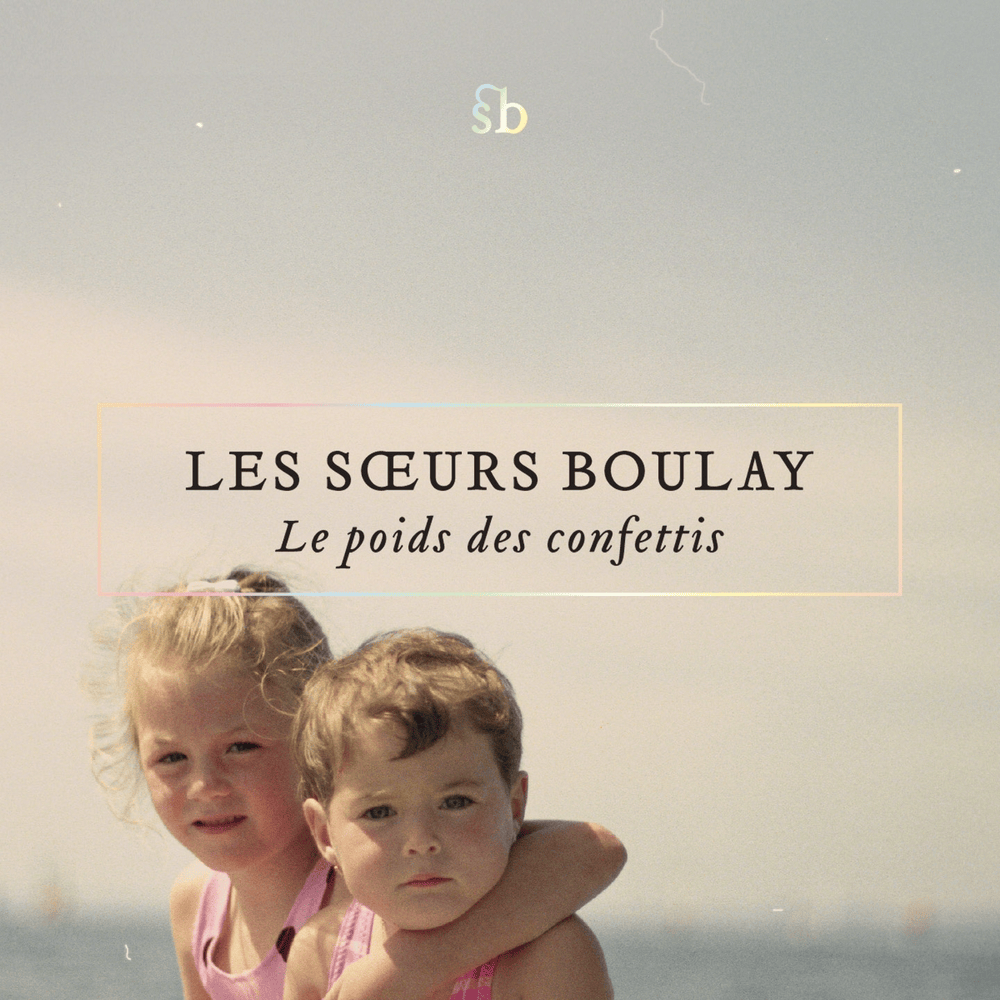
The final verse shifts to a coping mechanism, where photos are cut and rearranged, faces pieced together. This act of collage, of trying to reconstruct what’s lost, highlights a desperate attempt to hold onto memories when words fail. The repeated refrain, "L'oubli, ça mouille les yeux," brings it all together: forgetting, or the struggle against it, is what truly brings on the tears. It’s not just the absence, but the very act of trying to process or erase that absence that causes the pain.
 View Artist