Song Meaning
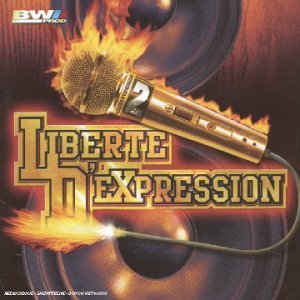
This track kicks off with a defiant "100% vocal," immediately signaling a raw, unfiltered artistic statement. The repeated "Hey hey, t'inquiète, on est encore là" (Hey hey, don't worry, we're still here) establishes a sense of resilience and presence, a confident declaration that the artist and their message remain. The phrase "Liberté d'expression bébé" (Freedom of expression, baby) is central, framing the entire piece as an assertion of artistic autonomy and the right to speak freely. It feels like a direct challenge to any who might try to silence or censor.
The core tension seems to lie in the artist's self-defined mission versus potential external judgment or misunderstanding. The line "J'veux pas faire de politique, ma mission est artistique" (I don't want to make politics, my mission is artistic) directly addresses this, drawing a clear boundary between personal expression and political agenda. This is reinforced by the defiant "T'entends pas ou quoi?" (Can't you hear or what?), a rhetorical question implying that the message is clear and perhaps being deliberately ignored. The artist is asserting their right to create art on their own terms, regardless of how it's perceived.
The lyrics paint a vivid, albeit fragmented, picture of the artist's world and influences. References to "les Kahlouchs, les Arbouchs, les Manouches au regard louche" (the Kahlouchs, the Arbouchs, the Manouches with the shifty gaze) suggest an embrace of marginalized or misunderstood communities, aligning the artistic freedom with a broader social inclusivity. The subsequent lines, "Boozillé par la résine, les femmes, les flingues / Accro du football made in Brésil / J'réside dans l'9-4" (Drunk on resin, women, guns / Addicted to football made in Brazil / I live in the 9-4) offer a raw, almost gritty self-portrait, grounding the abstract concept of freedom of expression in concrete, lived experiences. This juxtaposition of the abstract ideal with tangible, sometimes provocative, details makes the artist's voice feel authentic and unvarnished.
Ultimately, the effectiveness of these lyrics stems from their unapologetic directness and the powerful assertion of artistic identity. The repeated emphasis on "Liberté d'expression" acts as an anchor, while the specific, often provocative, imagery grounds the concept in a tangible reality. The artist, identifying as "Eklips mother fucker," isn't just talking about freedom; they are embodying it through their words, creating a sound that "met la pression" (puts pressure) and demands to be heard. It's a declaration of artistic sovereignty, delivered with a confident, almost confrontational, energy.
 View Artist