Song Meaning
The lyrics paint a picture of someone grappling with a significant personal unraveling, tinged with a sense of nostalgic regret and a desperate attempt at self-preservation. The opening lines immediately establish a theme of fading memory and lost identity, as the narrator admits to almost forgetting a name and a shared past. This is juxtaposed with a fleeting vision of youthful camaraderie, "We were 21 again," before a stark self-assessment: "I am a natural / Critical disaster." The plea "Don't save me" suggests a resignation to their current state, an acceptance of impending collapse.
The dominant tension arises from the contrast between the desire to move on and the inability to escape the past's destructive elements. The chorus powerfully captures this with "Summer's slowly fading away / Laughter's flushing down the drain," evoking a sense of lost joy and the inevitable decline of good times. This feeling is amplified by the image of "Ashes slowly burning away," leaving only "my body remains," a chilling metaphor for a hollowed-out existence stripped of all else.
The craft here is in the stark, almost clinical cataloging of excesses and the subsequent detachment. Verse 2 lists "late night jams and the cocaine benders and the girl next door / And the mini bar and the whatever," creating a sense of a chaotic, self-destructive lifestyle being deliberately shed. Yet, the narrator's admission "I don't know if I can get it together" undermines the apparent resolve, suggesting this is less a clean break and more a desperate, perhaps futile, attempt to salvage something from the wreckage. The outro continues this pattern, listing remnants like "Midnight bells and the holy water and the room service / The dirty voices and the TV binging," further emphasizing a life lived on the fringes.
Ultimately, the effectiveness of these lyrics lies in their unflinching portrayal of a personal crisis. The narrator isn't seeking redemption but rather acknowledging their own "disaster" while trying to navigate the aftermath. The fading summer and draining laughter serve as potent, relatable metaphors for lost youth and opportunities, leaving the listener with a profound sense of melancholic finality and the quiet horror of self-destruction.
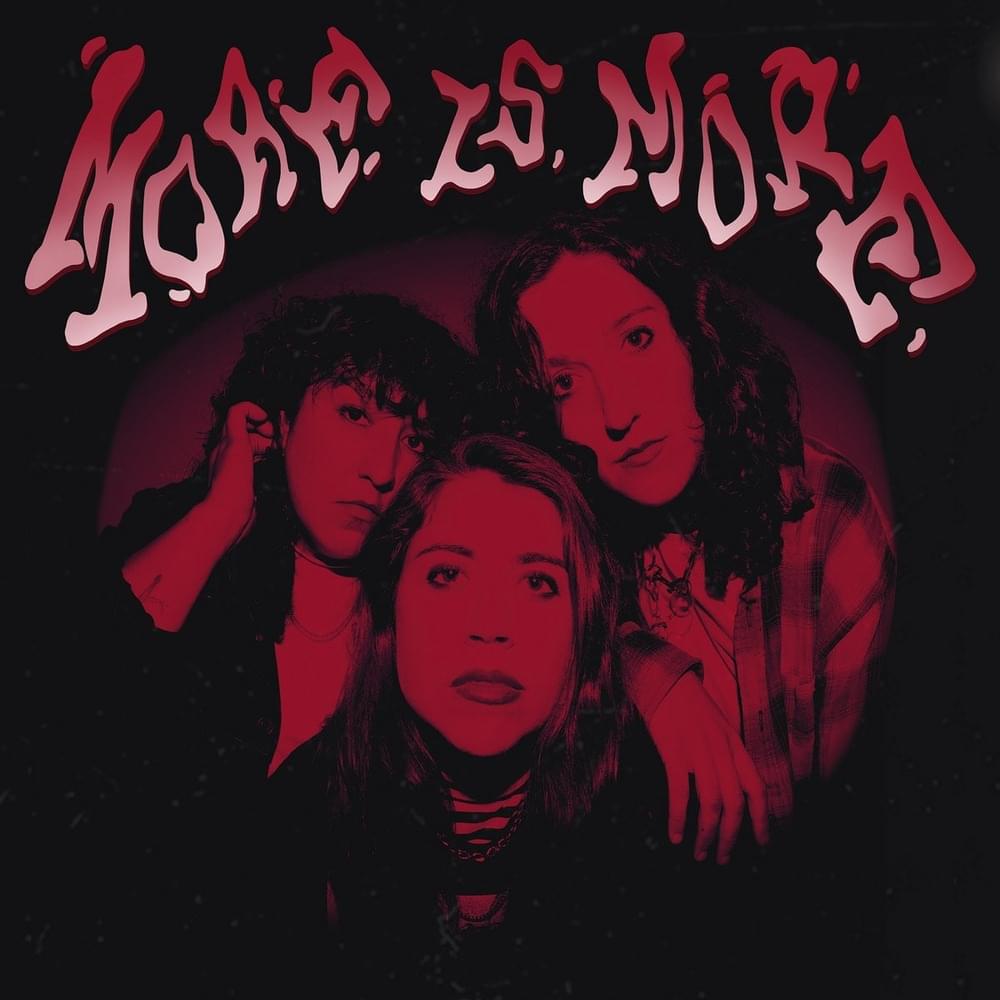
 View Artist