Song Meaning
These lyrics paint a vivid picture of a spirited individual, tracing their journey from childhood school days to a vibrant Parisian street life. From an early age, a passion for specific, pointed black leather shoes defined a certain rebellious flair. Despite the "coups et les embrouilles" of the street, the narrator appears to find joy, dancing home "par les trottoirs, à pinces."
The character's musical taste runs deeper than the polished tunes found in "Café-tabac parisiens." There's a clear connection to a more grounded, perhaps rougher, heritage, with a grandmother described as a "paysanne." This lineage seems to fuel an uninhibited spirit, as the narrator's feet have resonated "Sul' pavé des rues" while singing "à tue-tête" with heartfelt, winding melodies.
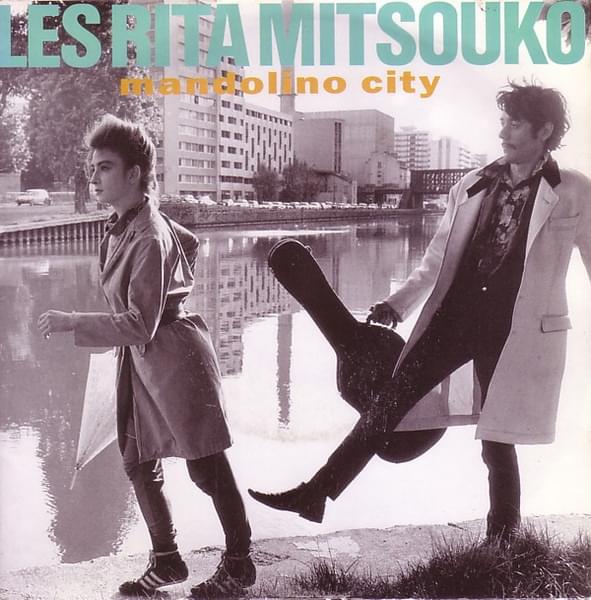
The narrative then broadens, connecting this individual spirit to the larger Italian community in Auber, Paris. These are people who "savent rigoler ferme"—they know how to laugh heartily. "Mandolino City" emerges as a powerful, shared cultural touchstone; it's not just a place, but a melody or a feeling that passes "par le bout de leurs lèvres," something they will whistle or sing "De tout leur coeur."
What makes these lyrics so effective is their ability to evoke a strong sense of identity rooted in both personal experience and collective heritage. The colloquial language and specific imagery—from the distinctive shoes to the cobblestone streets and the boisterous Italian community—create an authentic, lived-in world. "Mandolino City" acts as a powerful symbol, representing a shared, heartfelt expression of culture that transcends everyday struggles and connects a community through music.
 View Artist