Song Meaning
The lyrics open with a distinct refusal to fully reveal a past, declaring "Non tu ne sauras pas tout." This guardedness immediately sets a tone of selective intimacy. The speaker questions whether full knowledge of their history would guarantee love or continued dreams, suggesting a calculated withholding.
A central tension emerges from a relationship built on a strange reciprocity: "Tu m'embrouilles et je te trompe." This isn't a simple romance; it's a dynamic of mutual observation and subtle manipulation, where one calculates and the other counts. The repeated refrain, "Ma si / Ma no," Italian for "my yes, my no," perfectly captures this internal conflict and the push-pull of the connection, suggesting a constant state of ambivalence.
The lyrics weave a rich tapestry of sensual imagery, describing luxurious fabrics like velvet, satin, and taffeta, suggesting an abundance of entangled intimacy. This opulence contrasts with strikingly contradictory terms of endearment. The lover is called "ma biche, mon vautour" – a gentle deer and a predatory bird – highlighting the complex, perhaps even confusing, nature of the speaker's affection, embracing both tenderness and a darker, more possessive side.
This intricate blend of guarded confessions, transactional affection, and vivid, contrasting imagery creates a deeply intimate yet unsettling portrait of desire. The speaker's willingness to admit to mutual deception, coupled with a yearning for continuous embrace, makes the connection feel raw and undeniably human. It's effective because it doesn't shy away from the messy, contradictory emotions that often define intense relationships, leaving the listener to ponder the true nature of this complicated bond.
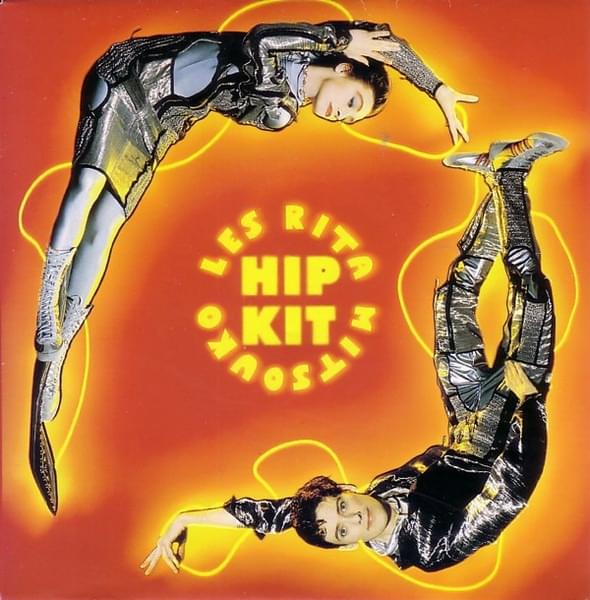
 View Artist