Song Meaning
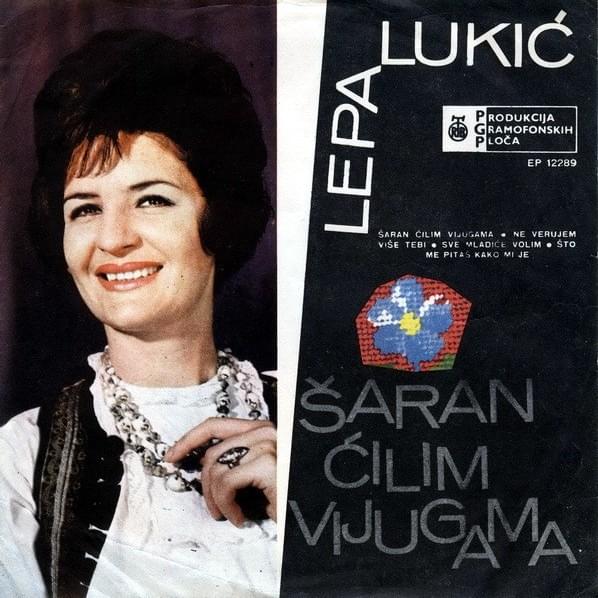
The narrator declares a loss of faith, stating "Ne verujem više tebi" (I don't believe you anymore), despite the person being "srcu milo" (dear to the heart). This immediate contradiction sets up a profound emotional conflict. The reason for this disbelief is clear: the beloved "svakoj si osmeh slao" (sent a smile to everyone) while coming to the narrator. This pattern of outward affection towards others, while claiming closeness to the narrator, erodes trust.
The core tension lies in the narrator's insecurity and possessiveness, amplified by the beloved's public behavior. The lyrics express a desire for exclusivity, wishing the beloved wouldn't even give a "cvet iz bašte ikom ti daš" (flower from the garden to anyone else). The repeated question, "Zašto, dragi, iduć meni / Svaku curu ti pogledaš?" (Why, dear, while coming to me / Do you look at every girl?), highlights the narrator's pain and confusion over this public wandering gaze.
The writing cleverly uses domestic and small-town imagery to magnify the emotional stakes. The act of giving a flower from the garden or looking at girls by their windows ("cure diraš / Kad izađu na prozore") are simple, everyday actions, but in this context, they become betrayals. The narrator laments that "Svi to u sokaku vide" (Everyone in the alley sees it), making their personal hurt a public spectacle, which is "tad najgore" (the worst then).
Ultimately, the lyrics reveal a complex emotional landscape where love is tangled with doubt and a desperate need for validation. The final stanza introduces a self-questioning twist: "Da l' je bolje što ga, nano / Cure mlade zadirkuju?" (Is it better that young girls tease him?). The narrator wonders if the beloved's desirability to others, which causes pain, is paradoxically what makes him desirable to her. This suggests a deep-seated insecurity, questioning whether his affection would even be valued if he weren't so publicly sought after, making the loss of trust a painful, yet perhaps necessary, step.
 View Artist