Song Meaning
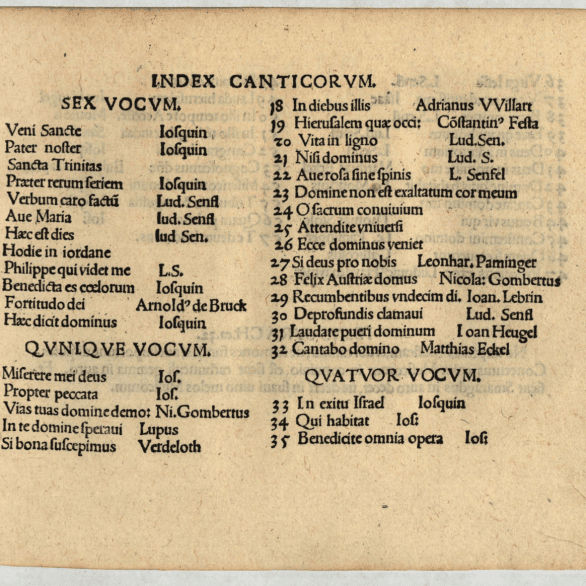
These lyrics paint a picture of a grand and illustrious Austrian court, a place described as possessing the finest ornaments from across the entire world. The opening line, "Felix domus Austriae et inclita principis aula ornamenta domi totius orbis habet," immediately establishes a tone of immense pride and splendor, suggesting that this noble house and its princely hall are unparalleled in their magnificence and the treasures they hold. It's a declaration of supreme status and aesthetic wealth.
The core sentiment shifts towards a communal call to action, urging those skilled in music to strive for pleasing their respective rulers. The phrase "Ergo letemur nos musica in arte periti conetur regi quisque placere suo" directly links the celebration of this grand court with the duty and aspiration of musicians. The implication is that the court's glory is not just in its possessions but also in the artistic endeavors that serve and entertain its elite.
The craft here lies in the direct, almost declarative pronouncements. There's a clear hierarchy being established: the magnificent court at the apex, and the musicians as the skilled artisans tasked with enhancing its prestige. The structure moves from a statement of inherent grandeur to a directive for artistic contribution, creating a sense of purpose tied to the court's magnificence. The lyrics don't just describe a place; they prescribe a role within its celebrated existence.
What makes these lyrics resonate is their unvarnished celebration of power and art's subservience to it. The effectiveness comes from the clear, almost regal pronouncement that the highest calling for musical talent is to please those in power within this esteemed Austrian domain. It’s a concise statement of artistic purpose within a hierarchical, opulent setting, leaving the listener with a sense of the court's absolute centrality.
 View Artist