Song Meaning
The lyrics paint a vivid picture of a once-arrogant figure, a self-proclaimed "rey de todo el mundo," now utterly humbled. The speaker observes this dramatic fall, noting how the proud individual "imploras cariño" and "mendigas caridad." There's a palpable sense of karmic retribution unfolding.
The core tension lies in the stark contrast between past hubris and present desperation. The figure who "nunca fuiste capaz de perdonar" now begs for pity, highlighting a profound reversal of fortune. The rhetorical questions, "¿A dónde está el orgullo? ¿A dónde está el coraje?", underscore the complete erosion of their former self-image. This shift from unyielding power to abject vulnerability drives the emotional core.
The personification of the "heart" as "Maldito corazón" is particularly striking. The speaker directly addresses this entity, expressing glee that it "sufra" and "llores y te humilles." This allows for a complex emotional distance, as if the speaker is celebrating the downfall of an internal flaw or an externalized aspect of the person, rather than the person entirely. It's a clever way to articulate a vengeful satisfaction while perhaps maintaining a sliver of the "qué lástima me das" previously mentioned.
The lyrics powerfully convey the bitter satisfaction of witnessing a proud individual's comeuppance. The metaphor "La vida es la ruleta" frames this downfall not just as personal revenge, but as an inevitable consequence of fate, where even those who "nomás las de ganar" eventually face a turn of bad luck. The final, blunt warning, "Fallaste corazón, no vuelvas apostar," delivers a punchy, definitive judgment, leaving no room for redemption.
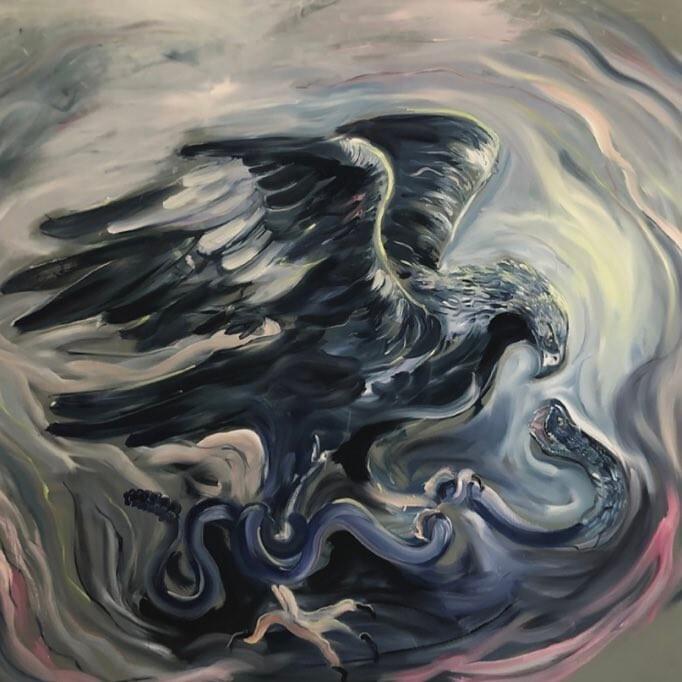
 View Artist