Song Meaning
The narrator opens by admitting a profound lack of romantic eloquence. They can't recite poetry, don't know "words of love," and aren't a seducer, emphasizing an inability to feign emotion. This self-assessment paints a picture of someone unpolished, perhaps even awkward, in their romantic pursuits. The core of their struggle isn't a lack of feeling, but a complete deficit in the conventional language of affection.
Despite this perceived inadequacy in verbal expression, the narrator insists their love is genuine and immense. They contrast their lack of material wealth ("no gold or silver") with the "greatest treasure" they've already given, implying a deeper, more meaningful offering. The central tension arises from this disconnect: a heart overflowing with love but incapable of articulating it beyond a simple, repeated phrase. This inability to "say" it, beyond the core declaration, becomes the driving force of their plea for understanding.
The lyrics hinge on the power of a singular, repeated phrase: "Eu te amo demais" (I love you too much). This phrase, uttered multiple times, becomes the only tool the narrator possesses to convey the depth of their feelings. The repetition itself underscores the intensity, as if the sheer volume of the utterance is meant to compensate for the lack of variation or elaborate sentiment. The shift from admitting "I don't know how to say" to the insistent "I only know how to say" highlights this reliance on raw, unadorned declaration.
Ultimately, the effectiveness of these lyrics lies in their raw honesty about emotional expression. The narrator’s vulnerability in admitting their limitations, coupled with the overwhelming sincerity of their repeated declaration, creates a powerful emotional resonance. The lyrics suggest that true love doesn't always require eloquent speeches; sometimes, the most profound feelings can only be expressed through a desperate, repeated plea, trusting that the intensity of the emotion itself will be understood.
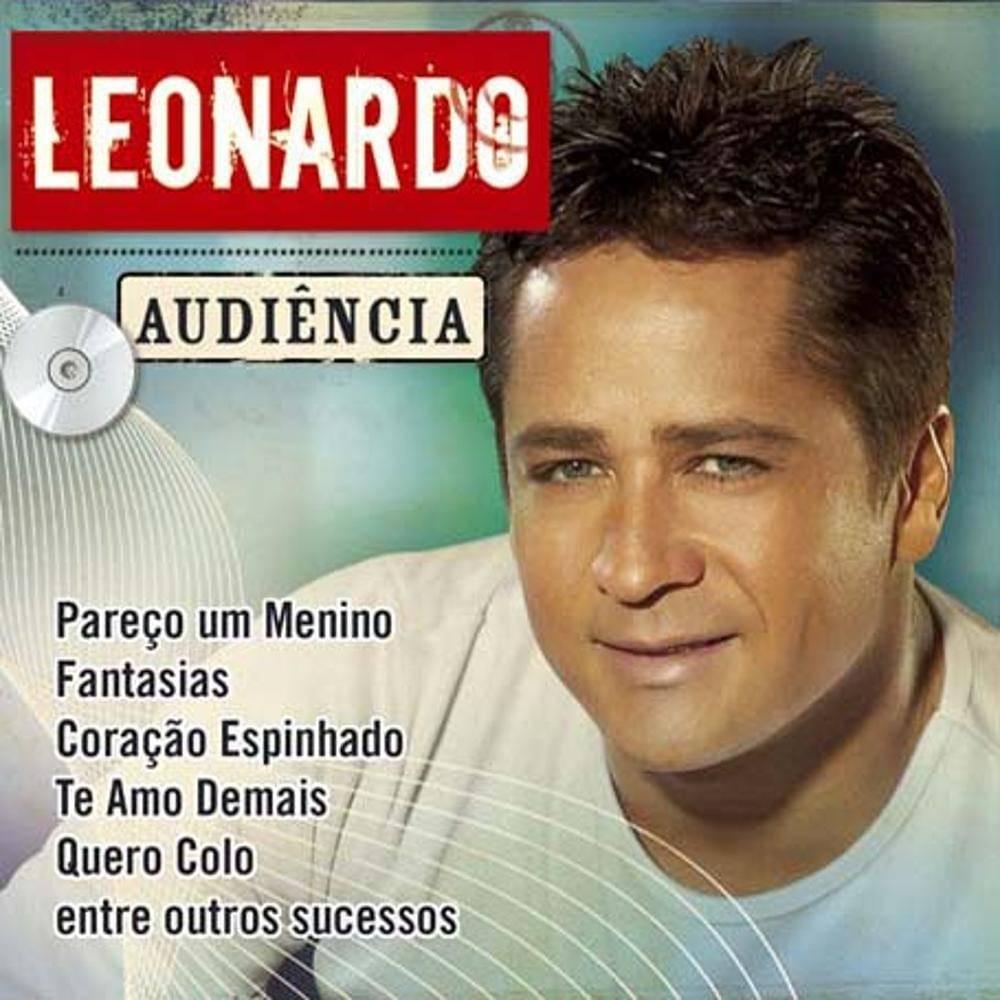
 View Artist