Jeitinho Brasileiro
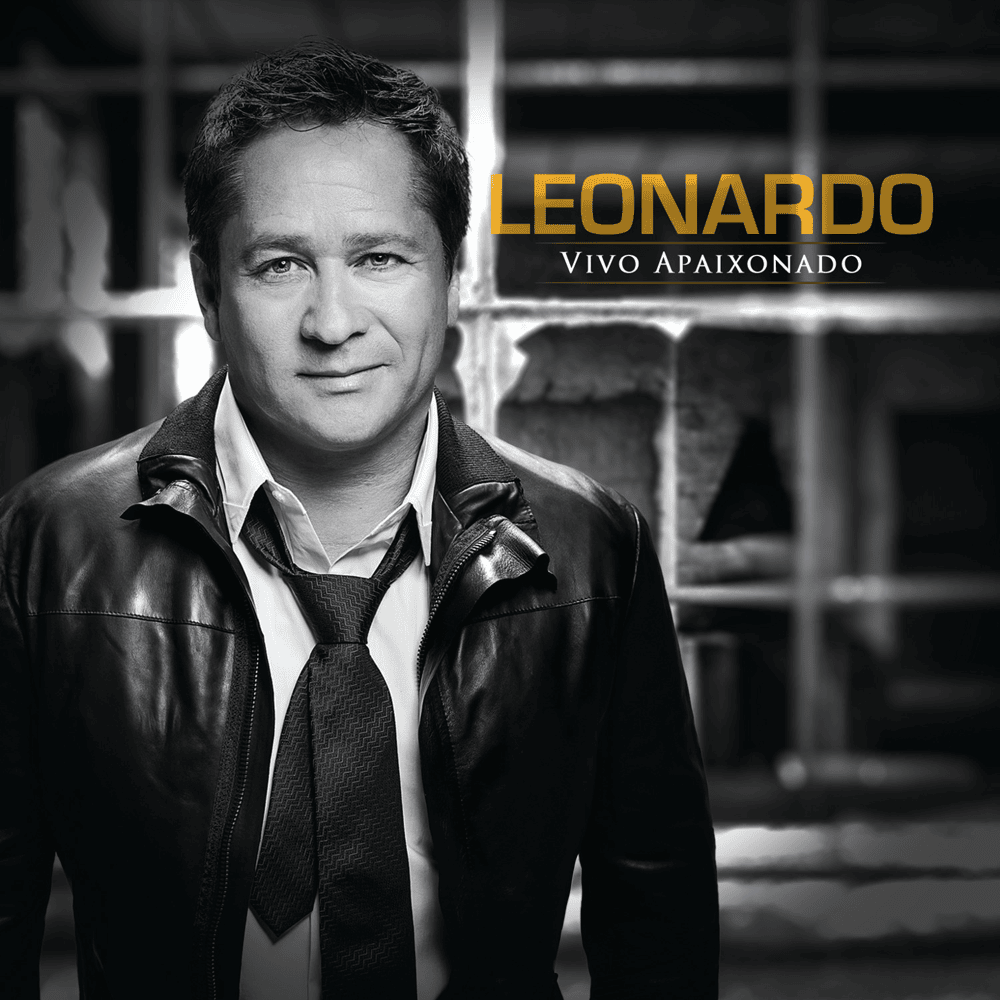
 View Artist
Lyrics
Language:
Cerveja gelada Tira gosto, chega aí! Mulher de bandeja Eu quero mais me divertir Não tenho compromisso Hoje é farra a noite inteira Aqui o trem tá bom Só mulherada de primeira A loira aqui do lado Que delicia! Um avião! A morena show de bola Isso é uma tentação Garçom desce mais uma Hoje vou virar freguês A mulherada dando bola Quero quatro, cinco, seis Esse é meu país, tem carnaval o ano inteiro Sou cara de pau, é meu jeitinho brasileiro Gosto de cachaça, futebol, azaração E dessa mulherada Que beleza, que trem bom! Rock nacional e também MPB Forró, axé, pagode Eu danço até o amanhecer Moda sertaneja pra galera enlouquecer Eu quero ver o chão tremer
Rate this song
0/5.0 - 0 Ratings
5
0.0% (0)
4
0.0% (0)
3
0.0% (0)
2
0.0% (0)
1
0.0% (0)
Loading comments...
Credits
Credits Not Found