Song Meaning
Happiness has departed, leaving a persistent longing. The speaker finds solace in an "outside" world, free from deceit. This sets up a clear emotional landscape of loss and a search for authenticity.
The central tension lies between an internal state of loss and the active pursuit of a space where truth prevails. "Saudade no meu peito ainda mora" isn't just a feeling; it's a resident, making the absence of happiness a constant presence. This internal burden drives the speaker's preference for "lá de fora," a place where "falsidade não vigora," suggesting a world where genuine emotion can exist without pretense.
The imagery of "A minha casa fica lá detrás do mundo" creates a vivid, almost mythical sanctuary. This isn't a physical place but a mental one, a retreat where the speaker can "vôo em um segundo" through thought. The lyrics then elevate this escape, contrasting the seemingly trivial nature of thought with the profound, soaring liberation found "Quando começa a cantar," suggesting song as an even more potent form of transcendence.
The power of these lyrics lies in their elegant simplicity and the poignant repetition of the opening lines. This cyclical structure reinforces the enduring nature of "saudade" while simultaneously highlighting the speaker's consistent coping mechanism: finding refuge in a world free of falsity, whether through contemplation or the transformative act of singing. It's a quiet testament to resilience, finding freedom and truth within oneself when external happiness has faded.
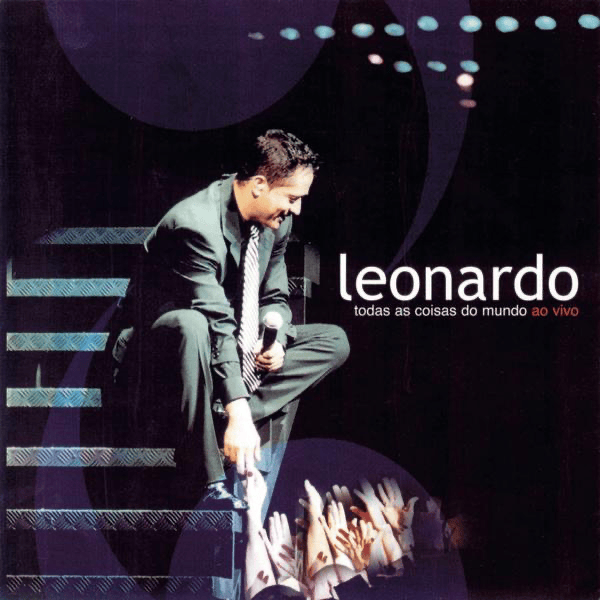
 View Artist