Song Meaning
The lyrics paint a picture of profound loneliness and longing, framed by the relentless march of time. The opening section, "Cadê Você," directly questions the absence of a specific person, highlighting a life that feels empty without them. The narrator observes that time moves forward, life passes by, yet they remain "sem ninguém" (without anyone), emphasizing a deep-seated isolation. This absence is not just a fleeting moment but a permanent departure, as the person "nunca mais / Apareceu aqui e não voltou" (never again / Appeared here and didn't return), leaving a void where smiles used to be.
This sense of emptiness is further explored through the contrasting sections. "Sonho Por Sonho" (Dream by Dream) presents a cyclical, almost ritualistic listing of intimate gestures and escalating emotions: "Beijo por beijo / Sonho por sonho / Carinho por amor / Paixão por paixão" (Kiss by kiss / Dream by dream / Affection for love / Passion for passion). This repetition suggests a yearning for connection, perhaps a memory of past intensity or an idealized vision of what is missing. It creates a stark contrast with the immediate, raw feeling of being alone expressed in the first part.
The final section, "Não Olhe Assim" (Don't Look Like That), introduces a new dynamic, shifting to a direct address. The narrator recalls a past intense love, admitting to giving in "demais" (too much) and neglecting reason. Now, facing someone described as "linda demais" (too beautiful) and possessing all a man could seek, the narrator acknowledges a powerful pull. The plea "Não olhe assim, não" suggests a vulnerability, a fear of being overwhelmed by a new potential connection, indicating that the heart, despite past hurts, is still capable of wanting love intensely.
What makes these lyrics resonate is the raw, unvarnished expression of human emotional states. The juxtaposition of profound loneliness with the memory or possibility of intense passion creates a compelling tension. The simple, direct language in "Cadê Você" grounds the listener in a relatable feeling of absence, while the structured repetition in "Sonho Por Sonho" evokes a deep, almost desperate yearning. The final section’s admission of past recklessness and present desire shows a complex emotional landscape, where the fear of repeating mistakes battles with the undeniable force of attraction.
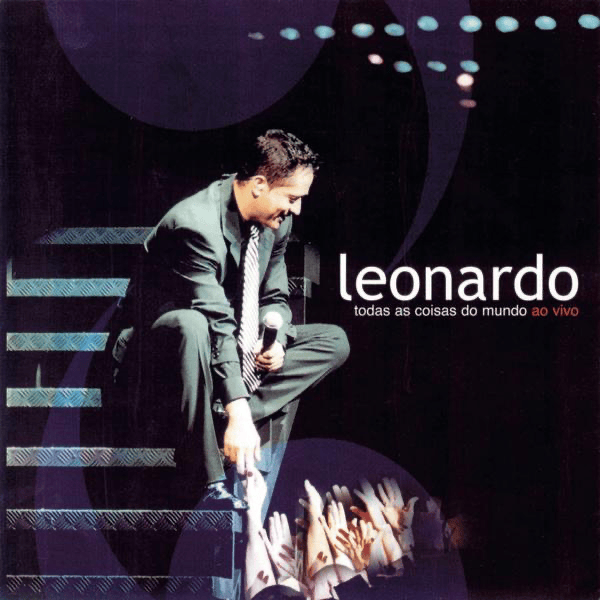
 View Artist