Song Meaning
The lyrics open with a speaker experiencing a profound, almost paradoxical dream, where they "acordei em sonho pra ver o que é real." This ethereal scene, filled with a "mar de ouro e ruas de cristal," immediately establishes a sense of wonder and spiritual awakening. The dominant emotion is one of serene awe and profound relief, as the speaker encounters something truly transcendent.
A stark contrast emerges between the speaker's past burdens and their current transcendent state. They explicitly state feeling "Sem desespero e sem vergonha," and later, they "Não me lembrei dos erros, tristezas e rancor." This suggests a history of struggle and regret, now completely erased by an "luz infinda só encontrei amor." The core tension of the lyrics is this liberation from a heavy past into pure, unconditional acceptance.
The most striking craft element is the shift from the speaker's internal experience to an external, affirming voice. After the speaker exclaims "Eis-me aqui" in response to being called, the perspective shifts to a welcoming address. This voice acknowledges the speaker's prior state as "Cansado e oprimido" while simultaneously validating their worthiness as a "Servo bom e fiel." This transformation from personal vision to a shared, divine affirmation is incredibly powerful.
These lyrics resonate by painting a vivid picture of ultimate redemption and belonging. The journey from a burdened, weary existence to being welcomed into "glória eterna" and "nova terra e céu" offers a powerful narrative of spiritual solace. The specific details—the cleansing of past regrets and the personal call—make this vision of peace deeply impactful, suggesting a profound liberation from earthly suffering and an arrival at a true home.
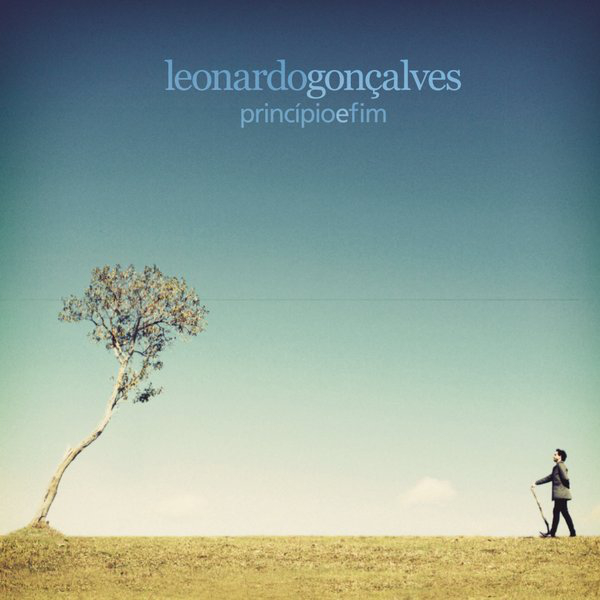
 View Artist