Song Meaning
The lyrics paint a picture of an impending, almost apocalyptic, resolution. There's a palpable sense of dread about to be lifted, a "horror" and "sorrow" that have plagued existence for an unimaginable span of time. This "great event" is presented not as a natural occurrence, but as a deliberate act, scheduled for "next Tuesday when the sun goes down."
The narrator intends to orchestrate this cosmic reset by performing a bizarre act: playing "the Moonlight Sonata backwards." This surreal detail suggests a desire to undo or reverse the perceived "mad plunge" of the world into suffering, a plunge that has apparently lasted for "200 million years." The sheer scale of this suffering and the unusual method of its reversal lend the lyrics a mythic, almost alchemical quality.
The anticipated aftermath is one of profound relief and restoration. The imagery shifts to nature itself being revitalized: "senile robins" regaining their vibrant color and "retired nightingales" resuming their song to "assert the Majesty of Creation." This suggests that the "great event" isn't just about ending human suffering, but about restoring a primal, perhaps divine, order to the natural world, a world that has seemingly lost its way.
What makes these lyrics so striking is the juxtaposition of immense, cosmic stakes with specific, almost whimsical, details. The idea of reversing millennia of suffering with a backwards piano sonata, and the image of robins becoming "bright red again," grounds the grand pronouncements in tangible, if strange, imagery. It's this blend of the epic and the peculiar that creates a unique emotional texture, a feeling of desperate hope tinged with the absurd.
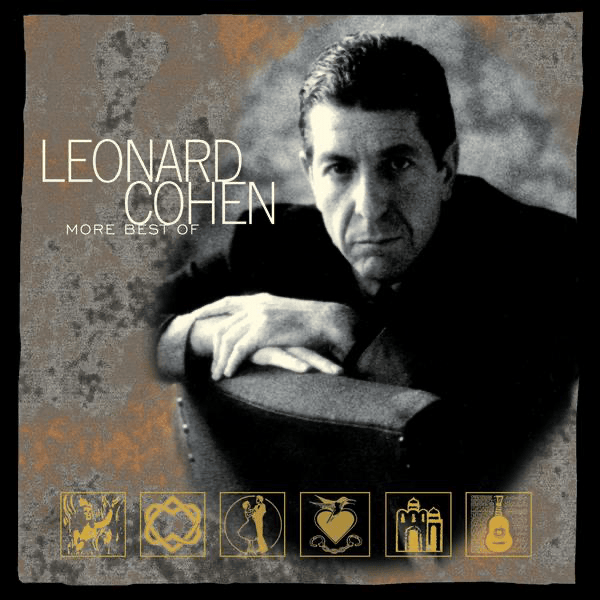
 View Artist