Song Meaning
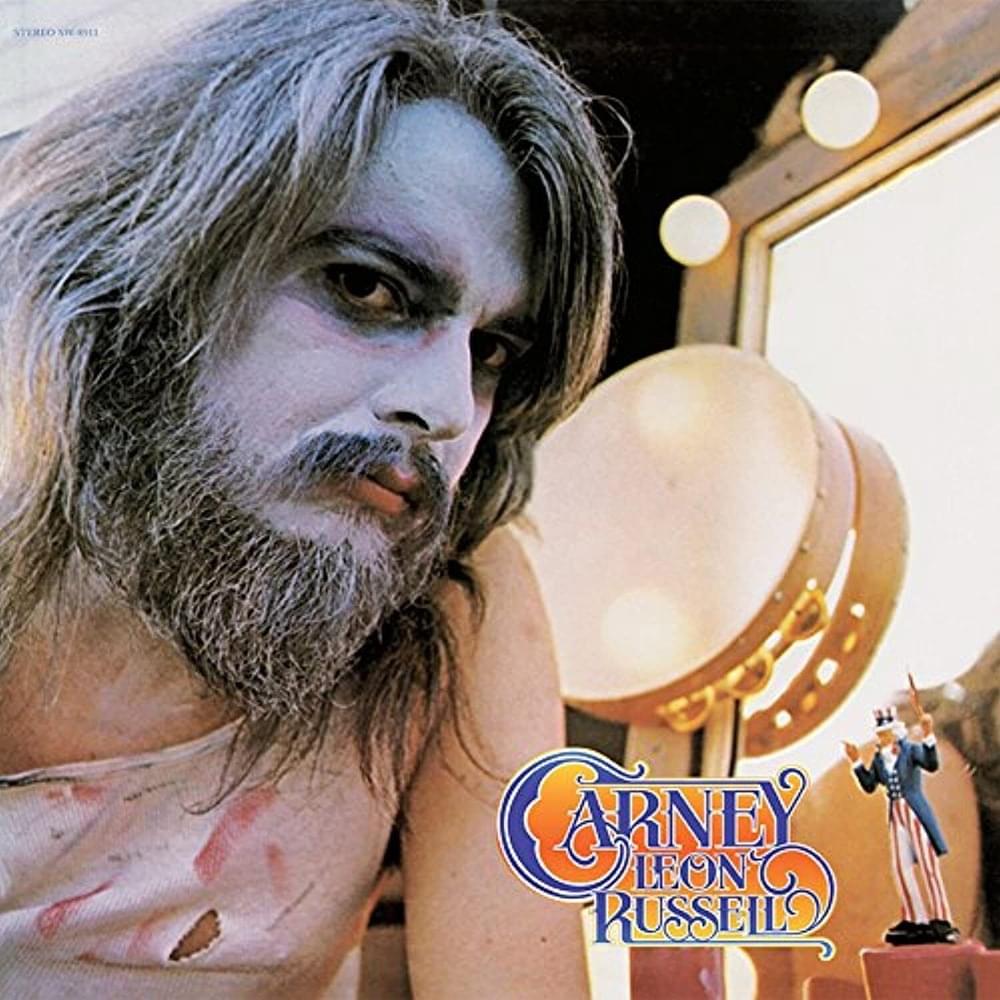
Leon Russell's "If The Shoe Fits" isn't a song; it's a relentless comedic interrogation. The lyrics, a barrage of increasingly absurd requests and intrusive questions, paint a portrait of fame's parasitic hangers-on. It's a sardonic take on the price of celebrity, where boundaries blur and genuine connection is suffocated by opportunistic vultures. The repeated line, "We're from Rolling Stone so it's okay," serves as both a punchline and a damning indictment of media's perceived entitlement in the rock and roll circus. Russell doesn't just observe this dynamic; he embodies it, adopting the persona of the besieged star delivering cutting rebukes through implication. He highlights the dehumanizing effect of fame, where the artist becomes a commodity to be consumed and exploited.
Beneath the surface of blatant absurdity lies a darker commentary on human nature. The constant requests – for free entry, borrowed possessions, personal favors – reveal a deep-seated sense of entitlement and a willingness to exploit another's success. The more personal and bizarre the questions become ("Are you really into witchcraft like they say?"), the more the song exposes the invasive nature of celebrity culture. The lyrics also play with the blurring lines between genuine interest and calculated manipulation. Are these people truly fans, or are they simply seeking to gain something from their proximity to fame? The song cleverly avoids providing easy answers, leaving the listener to grapple with the unsettling ambiguity.
The genius of "If The Shoe Fits" lies in its simplicity and relentless repetition. The almost stream-of-consciousness delivery, combined with the sing-song melody, creates a hypnotic effect. This mirrors the disorienting and overwhelming experience of being bombarded with constant demands and superficial interactions. The song's structure, devoid of traditional verse-chorus format, emphasizes the cyclical nature of this exploitation. The requests keep coming, each one more outlandish than the last, creating a sense of claustrophobia and exhaustion. The final verse, with its non-sequiturs about Jesus, monks, and Paul McCartney, pushes the song into surreal territory, underscoring the absurdity of the entire situation and the mental gymnastics one must perform to navigate fame's treacherous waters.
 View Artist