Song Meaning
León Gieco's "Ya Soy un Croto" isn't just a song; it's a stark, poetic descent into self-imposed exile, a shedding of a former skin to embrace the life of a 'croto' – a term for a vagrant or homeless person in Argentina. The song's power lies in its disarmingly simple narrative, tracing a psychological unraveling as the protagonist deliberately detaches from societal norms and expectations. The opening lines paint a picture of profound alienation: escaping the gaze of others, consuming only his own laughter. This isn't mere physical isolation; it's a deliberate severing of emotional ties, a retreat into the self that borders on existential despair. The recurring question, "Que me anda pasando si hace un invierno / No recuerdo bien... / Pero era otro," underscores a disorienting sense of transformation, a loss of identity amplified by the cold, isolating winter. It's as if the old self is freezing away, leaving space for something new and unknown to take root.
The imagery of boarding a train without destination, sleeping on the hard floor of a wagon, reinforces this theme of deliberate displacement. The 'croto' isn't simply homeless; he's actively choosing a life outside the structures of society. There's a subtle undercurrent of defiance, a rejection of the pressures and expectations that once defined him. The kindness of strangers – a boy offering cake, a station master offering shelter – provides fleeting moments of human connection, yet they don't pull the protagonist back. Instead, these acts of generosity highlight the contrast between his chosen path and the conventional world he's left behind.
The song's emotional core resides in the lines, "Escondido en una lágrima / El misterio terminó / Cuando vi a dos iguales / Rotos como yo." This isn't a moment of despair, but of recognition. The 'croto' finds solace not in returning to his former life, but in discovering kinship with others who have also embraced the fringes. The simple declaration, "Ya soy un croto," is not an admission of defeat, but a statement of acceptance, a claiming of a new identity forged in the crucible of self-imposed exile. The song leaves us contemplating the complex motivations behind such a radical choice, inviting us to consider the societal pressures that might drive someone to abandon everything in search of a different kind of freedom.
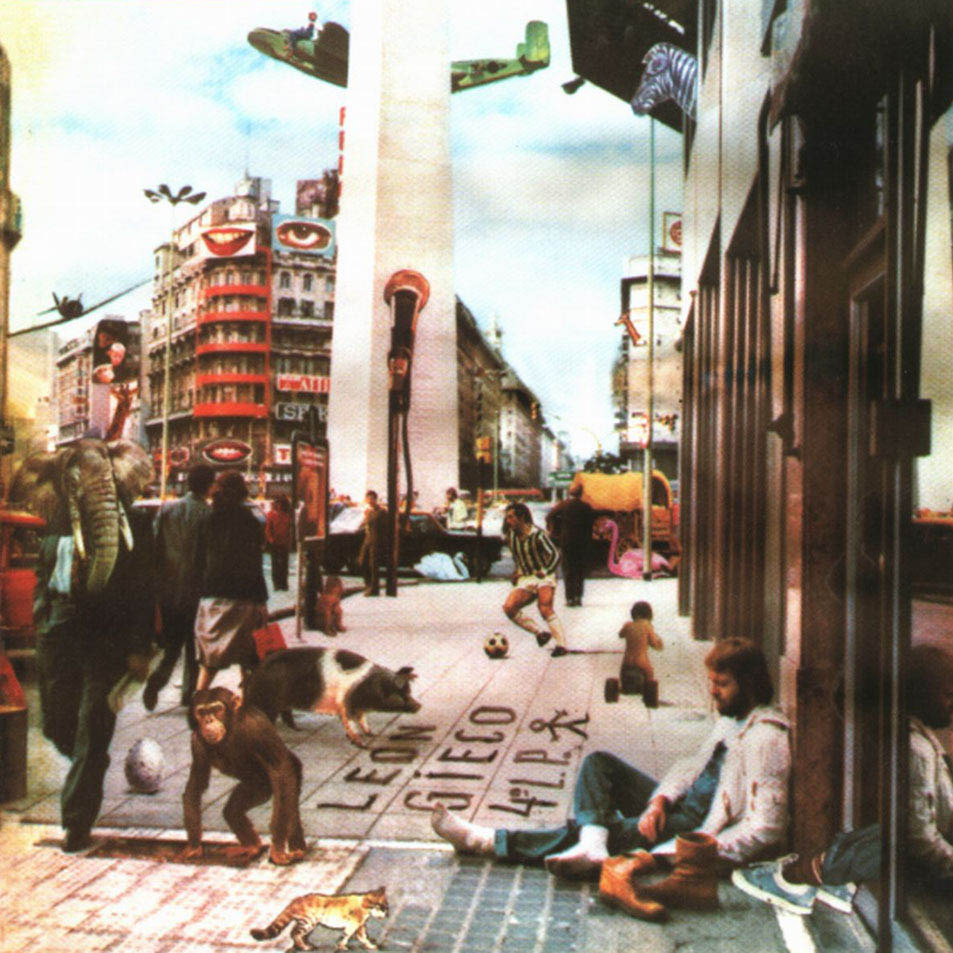
 View Artist