Song Meaning
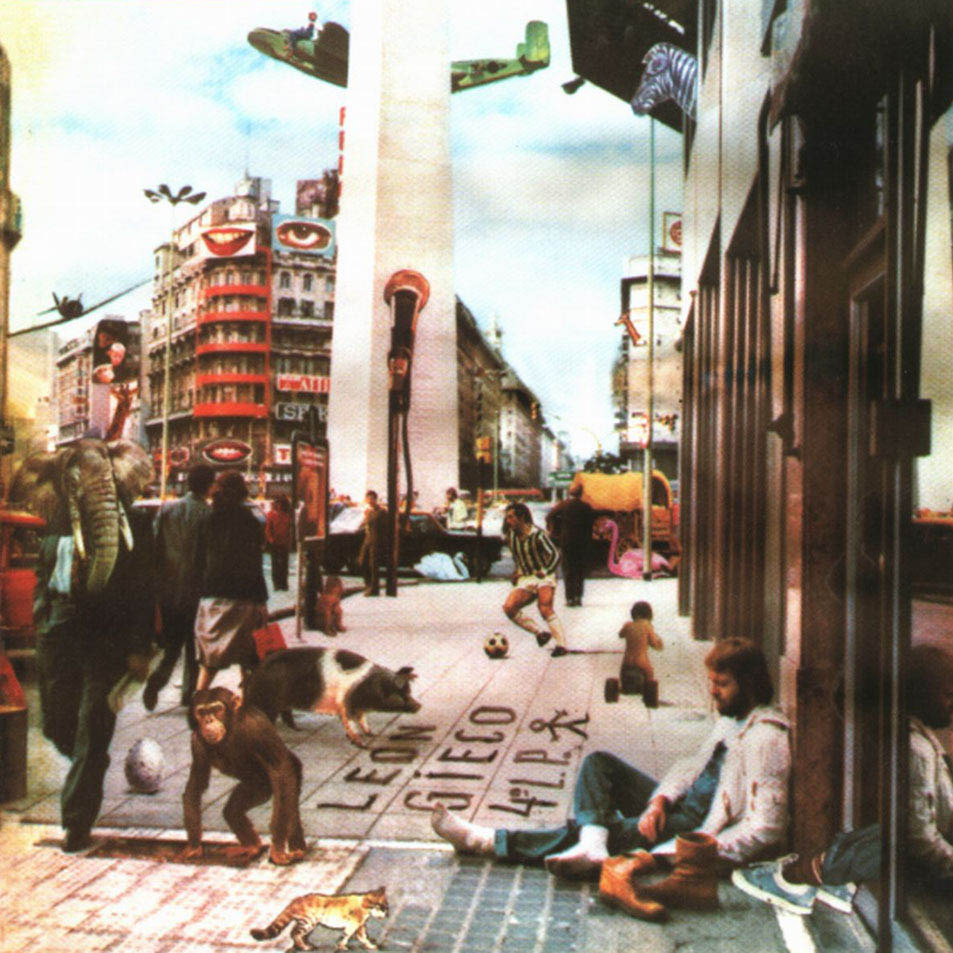
León Gieco's "Tema de los Mosquitos" isn't some whimsical nature ditty. Forget pleasant pastoral images; this is a brutal, unflinching allegory of power and predation, a microcosm of societal Darwinism set to a haunting melody. The lyrics read like a naturalist's nightmare, a chain of violent acts where the food chain is less an ordered system and more a chaotic free-for-all. A sparrow evicts a hornero, a bird of prey pecks at a lamb, a tiny frog becomes prey to an owl—the natural world is rendered as a cruel, Hobbesian state of nature. The song's meaning deepens as it unveils the relentless struggle for survival. The massacres of bees and sheep by a giant spider, mosquitoes feasting on a stagnant pig, and butterflies devoured in the swamps illustrate a world where vulnerability is a death sentence. Gieco doesn't shy away from the gruesome details, painting a picture of unrelenting violence.
The chorus lament, "Ay, que vida es esta dijo un cazador / Salieron a matarse todos los animales oh oh oh," suggests a horrified observer, perhaps representing humanity itself, recoiling at the barbarity of it all. Yet, the song never lets us off the hook. The peacock losing its feathers in a puma ambush, rabbits trampled by an elephant, a calandria ensnared by a serpent—these images evoke the senselessness of violence and the fragility of even the most beautiful creatures. The final verses drive the point home with chilling simplicity. Ants dance on iguanas, and the caiman devours the bird that cleaned its teeth. The implied betrayal highlights a world where even symbiotic relationships are corrupted by the insatiable hunger for power. The "Tema de los Mosquitos" lyrics analysis reveals a bleak vision, a warning about the dangers of unchecked power and the pervasiveness of violence that resonates far beyond the animal kingdom. It's a stark reminder of the brutality that lurks beneath the surface of seemingly ordered systems, a theme as relevant today as when the song was first conceived.
 View Artist