Song Meaning
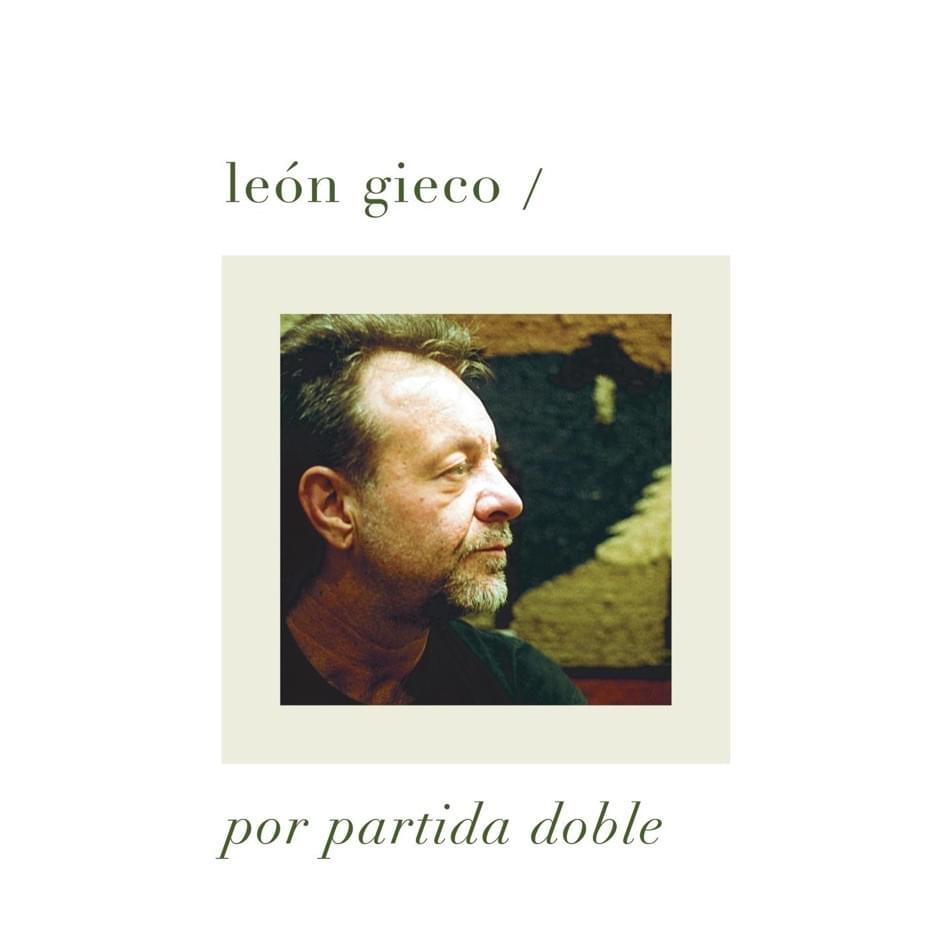
{"song_id": 14582443, "meaning": "León Gieco's \"La Rata Laly\" isn't just a children's tale about a rodent romance gone wrong; it's a sharp, satirical commentary on social class, generational conflict, and political hypocrisy. The setup is deceptively simple: Laly, a rat, is found weeping because she's been kicked out by her father, a \"burgués capitalista\" (or, in another version, an \"ingles imperialista\"). Her crime? Consorting with Pepón, the leader of the \"Frente Roedor de Liberación\" (Rodent Liberation Front). Gieco masterfully uses the animal allegory to dissect the tensions between conservative, established power structures and revolutionary, often idealized, movements.
The humor is biting. Laly's father, obsessed with \"la marca roquefort,\" embodies the superficiality and self-interest of the upper class, clinging to status symbols while blind to genuine emotional connection. Pepón, the revolutionary, is equally ripe for parody. The song doesn't explicitly condemn his cause, but the absurdity of a \"Rodent Liberation Front\" suggests a skepticism towards the purity of revolutionary movements, hinting that even noble ideals can be tainted by personal agendas or internal contradictions. The double standard at play – Laly being punished for her relationship while her father remains entrenched in his capitalist comfort – underscores the hypocrisy that Gieco targets.
Ultimately, \"La Rata Laly\" functions as a potent critique of societal norms and power dynamics. Through its playful narrative and deceptively simple language, Gieco exposes the fault lines within families and political ideologies. The song meaning isn't about taking sides; it's about recognizing the inherent flaws and contradictions within all social structures, urging listeners to question the status quo and the narratives they are fed, even (or especially) when they come wrapped in the guise of revolution."}
 View Artist