Song Meaning
León Gieco's "El Loco y las Golondrinas" isn't a straightforward narrative; it's a plunge into the psyche of an outsider, a 'loco' or madman, whose perceptions are skewed yet strangely insightful. The song delicately balances the perceived madness with a yearning for connection and understanding, painting a portrait of someone at odds with the mundane. The opening imagery—a doll in the 'womb of the night,' an abandoned hive—evokes a sense of isolation and lost potential. The 'loco' observes the world from a removed vantage point, finding solace not in human interaction, but in the silent language of the cosmos. The stars become vocal cords, suggesting a universe teeming with unheard stories. The arrival of the swallows ('golondrinas') on winter's back marks a transition, a glimmer of hope as they share news of the passing days.
The core of the song's meaning lies in the 'loco's' resistance to 'vulgaridad' – a rejection of societal norms and expectations. The lyrics hint at a possible 'enfermedad' (illness), framing the protagonist's unconventionality as a medical condition in the eyes of others. Yet, this resistance is presented as a strength, a conscious choice to remain apart from the ordinary. Gieco seems to be suggesting that true insight often comes from those on the fringes, those who dare to question the status quo. The 'loco' finds beauty in the night's darkness, inviting the moon to be seen, a metaphor for embracing the unconventional and finding love in silence.
Ultimately, "El Loco y las Golondrinas" is a meditation on the nature of sanity and the value of divergent perspectives. The final verse encapsulates this yearning for connection: even as the 'aves' (birds) seek the sound of bells, the 'loco' searches for the right words to be understood. It's a poignant reminder that even in perceived madness, there's a fundamental human need to communicate and find meaning in a world that often struggles to comprehend those who see it differently. The song isn't just about a madman; it's a subtle critique of the society that labels him as such, hinting that perhaps the 'loco' sees a deeper truth than the rest of us.
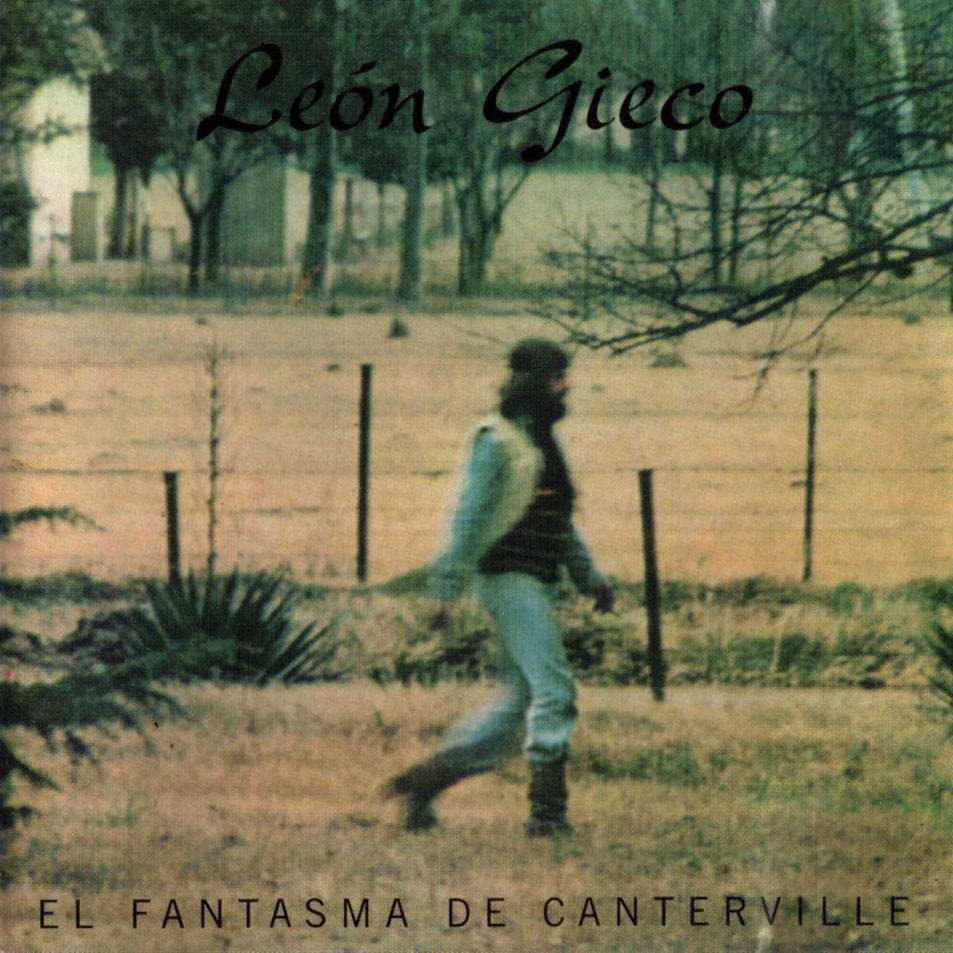
 View Artist