Song Meaning
León Gieco's "Desde tu Corazón" isn't just a song; it's a psychological reckoning with memory, aging, and the persistent pull of the past. The opening lines, expressing doubt about losing "that old memory," immediately plunge us into a space of introspection. It's a relatable sentiment – the way certain memories, even when unwanted, cling to us, shaping our present. The invitation he speaks of becomes a metaphor for the allure of returning to a former self, a past relationship, or perhaps a simpler time. There's a tangible vulnerability in the line "Dime si voy me doy una baño y me voy," suggesting a desperate willingness to conform, to cleanse himself, to meet the expectations of this beckoning memory.
The core of the song's meaning lies in the struggle between present identity and the echoes of the past. Gieco sings of his life feeling the palpitation of love in a "small town of the sun," a likely idealized vision of a past romance or perhaps a youthful sense of belonging. This idyllic memory clashes with his "lost head," suggesting a current state of confusion or disorientation. The crucial line, "Es que a cierta edad hay una inmensa pared," encapsulates the central theme: the barriers that age and experience erect, forcing a confrontation with past choices and lost possibilities. The "immense wall" is not just physical; it represents the emotional and psychological distance that time creates.
Ultimately, "Desde tu Corazón" becomes a plea. The singer questions the world he's built, asking why the old memory forces him to turn back. There's a sense of dwindling strength, a feeling that his energies are not aligned. The closing lines, "Suelta mi brazo que me estan esperando / No me hagas morir solitario," are a raw expression of fear – the fear of being trapped by the past, of dying emotionally isolated within its confines. The song avoids easy resolution, instead offering a poignant meditation on the enduring power of memory and the human need for connection in the face of time's relentless march.
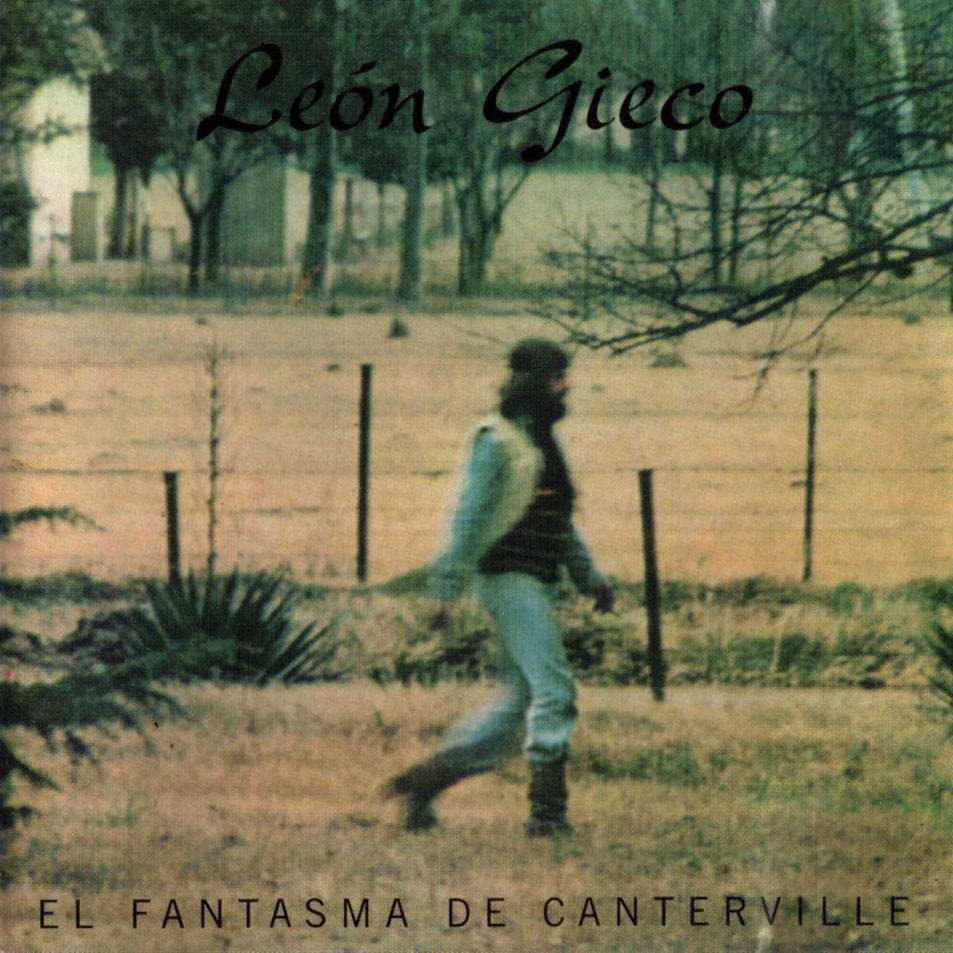
 View Artist