Song Meaning
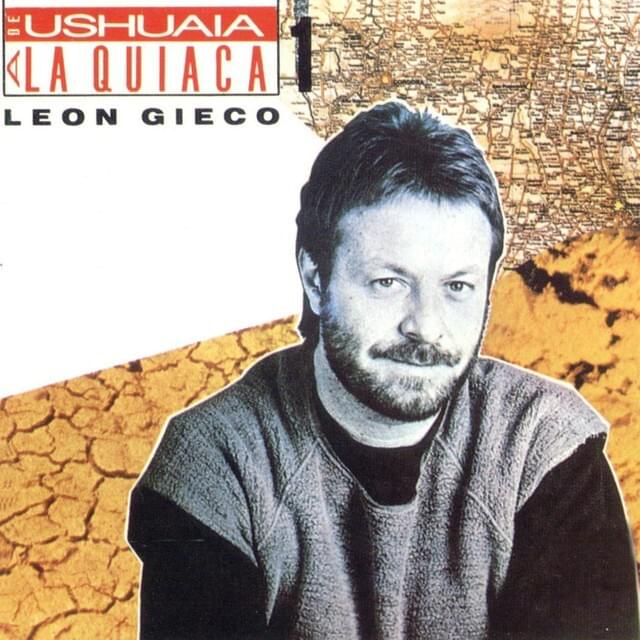
{"song_id": 14582560, "meaning": "León Gieco's \"Carito\" is a poignant portrait of displacement, a whispered ballad for those who find themselves adrift in the cold anonymity of the city. The song's meaning centers on the experience of a young person, presumably from a rural or coastal background (\"recordando el litoral\"), struggling to adapt to the urban landscape of Buenos Aires. The opening lines immediately establish a sense of loneliness and longing, the stark contrast between Carito's memories of the coast and her current reality \"sentado solo en un banco en la ciudad\" painting a vivid picture of isolation. The lyrics suggest a past filled with genuine connection, now exchanged for a superficial existence where even modern shoes cannot replicate the simple joy of a small-town plaza.
Gieco masterfully uses natural imagery to underscore Carito's emotional state. The \"llovizna gris\" (gray drizzle) mirrors her subdued spirit, while the lost \"mar de gente\" (sea of people) emphasizes the depth of her disconnection. The river's failure to provide color symbolizes the lack of vibrancy and authenticity in her new life. Yet, amidst this melancholy, Gieco offers a glimmer of hope, urging Carito to release her pain and transform her tears into something beautiful. The recurring chorus, \"Carito, suelta tu pena,\" is a call for emotional liberation, a plea to embrace vulnerability and find solace in self-expression.
The song's profound empathy is perhaps its most striking quality. Gieco positions himself as a steadfast ally, offering his friendship and artistic platform as a refuge. The lines \"Carito, yo soy tu amigo / Me ofrezco árbol / Para tu nido\" are a powerful testament to the importance of human connection in overcoming adversity. The closing verses reinforce the theme of resilience, reminding Carito that even the smallest seed yearns for the familiar comfort of its origins, for the star that guided it through hardship. Ultimately, \"Carito\" is not just a song about displacement; it's a celebration of inner strength and the enduring power of art to heal and connect. The lyrics analysis reveals Gieco's understanding of the human psyche, specifically the need for belonging and the transformative potential of artistic expression."}
 View Artist