Song Meaning
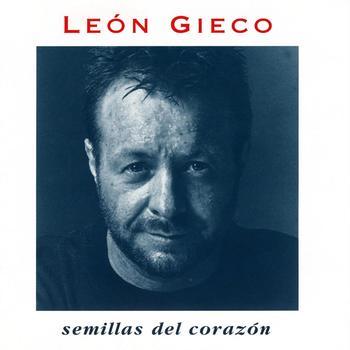
León Gieco's "Barrio Golondrina" paints a stark portrait of marginalized existence, a place where hope flickers amidst systemic neglect. The titular "golondrina" (swallow) barrio isn't just a location; it's a symbol of transience and precarity, a community perpetually chasing after a future that remains just out of reach. Gieco's lyrics analysis reveals a world where basic necessities are absent, and the residents are caught in a relentless cycle of chasing those who are themselves struggling, creating a social hierarchy of need. This isn't merely poverty; it's a human condition defined by the indifference of the wider world. The poignant imagery of the barrio "running behind" those who walk, and those walking behind others further away, encapsulates the exhausting struggle for survival in a society that seems to have forgotten them.
The heart of the song meaning lies in its critique of societal apathy. Gieco laments that "almost no one is interested" in extending a helping hand, highlighting a profound disconnect between those with resources and those without. This isn't just about material aid; it's about a fundamental lack of empathy, an inability to understand that "giving a little life" – offering support and compassion – is essential. The lyrics suggest that this indifference stems from a collective amnesia, with people forgetting the struggles of others as they move forward in their own lives. This forgetfulness perpetuates the cycle of neglect, leaving the barrio golondrina perpetually on the margins.
Ultimately, "Barrio Golondrina" is a powerful commentary on the human cost of inequality. The image of the barrio running "to the side of the day" evokes a sense of invisibility, a community relegated to the shadows. Gieco's assertion that "if sorrow is lucky today, it will turn into food" is a brutal summation of the desperation and resourcefulness required to survive in such circumstances. The song is not just a description of poverty; it's a call to action, an urging for listeners to confront their own complicity in a system that allows such disparities to persist. It's a reminder that true progress requires more than just economic advancement; it demands a fundamental shift in our collective consciousness, a willingness to see and value the lives of those who are too often ignored.
 View Artist