Song Meaning
León Gieco's "Bajaste del Norte" paints a stark portrait of migration, labor, and the quiet desperation that festers in the face of relentless hardship. The song pulls us into the world of a man who descended from the North, burdened only by his four children, his wife's unwavering loyalty, and the vast sky reflected in his eyes—a poignant image of hope tinged with premonition. The opening verses establish a narrative of relentless pursuit, the character driven by the need to provide ("Buscabas el peso"). Yet, each day concludes with empty hands, a recurring motif that underscores the futility and crushing weight of his efforts. It’s a cycle of hope and disappointment, etched into the very lines of his palms.
The chorus offers a moment of empathy, a shared understanding of the man's coping mechanism: seeking solace in a glass, an escape to an unknown destination in pursuit of that elusive "paz." This isn't just about alcoholism; it's about the failure of societal structures to provide basic dignity and support. The lyrics subtly critique the indifference of a world that labels him a "viejo borracho," while simultaneously acknowledging his inherent goodness. He is a man who, despite his own struggles, lacks the capacity for malice, unable to even condemn the devil himself.
Gieco's brilliance lies in his ability to humanize the marginalized. "Bajaste del Norte" is not merely a tale of personal failure, but a reflection on the systemic forces that drive individuals to the brink. The song becomes a broader commentary on the plight of migrant workers, the broken promises of economic opportunity, and the enduring search for peace in a world that often seems determined to deny it. The quiet resignation in the final lines, the repetition of "Los mandas," speaks volumes about a spirit worn down but not entirely broken, a testament to the resilience of the human heart in the face of overwhelming adversity.
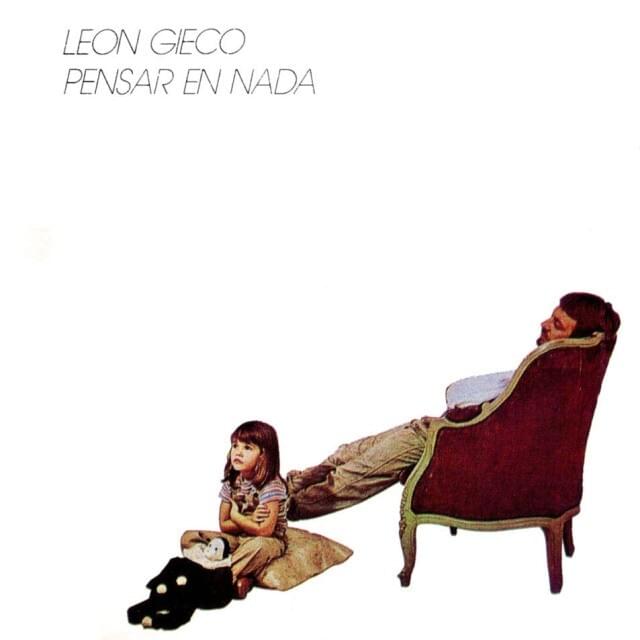
 View Artist