Song Meaning
León Gieco's "A Veces Mi Pueblo Azul es Gris" paints a portrait of a seemingly idyllic village, but the lyrical brushstrokes quickly reveal a more complex and troubled reality. The opening lines establish a pastoral scene: a "blue village" where thistles dance in the light, and the land exudes a simple tranquility. This initial depiction evokes a sense of peace and natural beauty, setting the stage for a deeper exploration of the social dynamics within. The recurring image of the 'blue village' itself becomes a symbol, perhaps representing a romanticized or idealized view of home, one that Gieco proceeds to dismantle. The song's meaning resides in this contrast between the surface and the underlying tensions.
The stark dichotomy emerges with the introduction of the rich and the poor. Gieco doesn't shy away from illustrating the societal chasm. The wealthy, self-satisfied, celebrate their status while the impoverished, consumed by despair, lash out at each other. This creates a cycle of negativity and resentment, effectively trapping the poor in their circumstances. The act of "spitting their anguish and their poverty" is a visceral image, conveying the depth of their frustration and the lack of constructive outlets for their pain. The song is less about geographic location and more about the psychological landscape of a community grappling with inequality.
The recurring verses reinforce the cyclical nature of this social disparity. Even in a place where the wind is boundless and the sunrise paints the sky with vibrant colors, the fundamental problems of inequality persist. The beauty of the natural world stands in stark contrast to the ugliness of human behavior, highlighting the tragic irony of a community divided. "A Veces Mi Pueblo Azul es Gris" is not just a description of a village; it's a poignant observation on human nature and the corrosive effects of social stratification. The song's meaning lies in its unflinching portrayal of a community where beauty and despair coexist, forever intertwined.
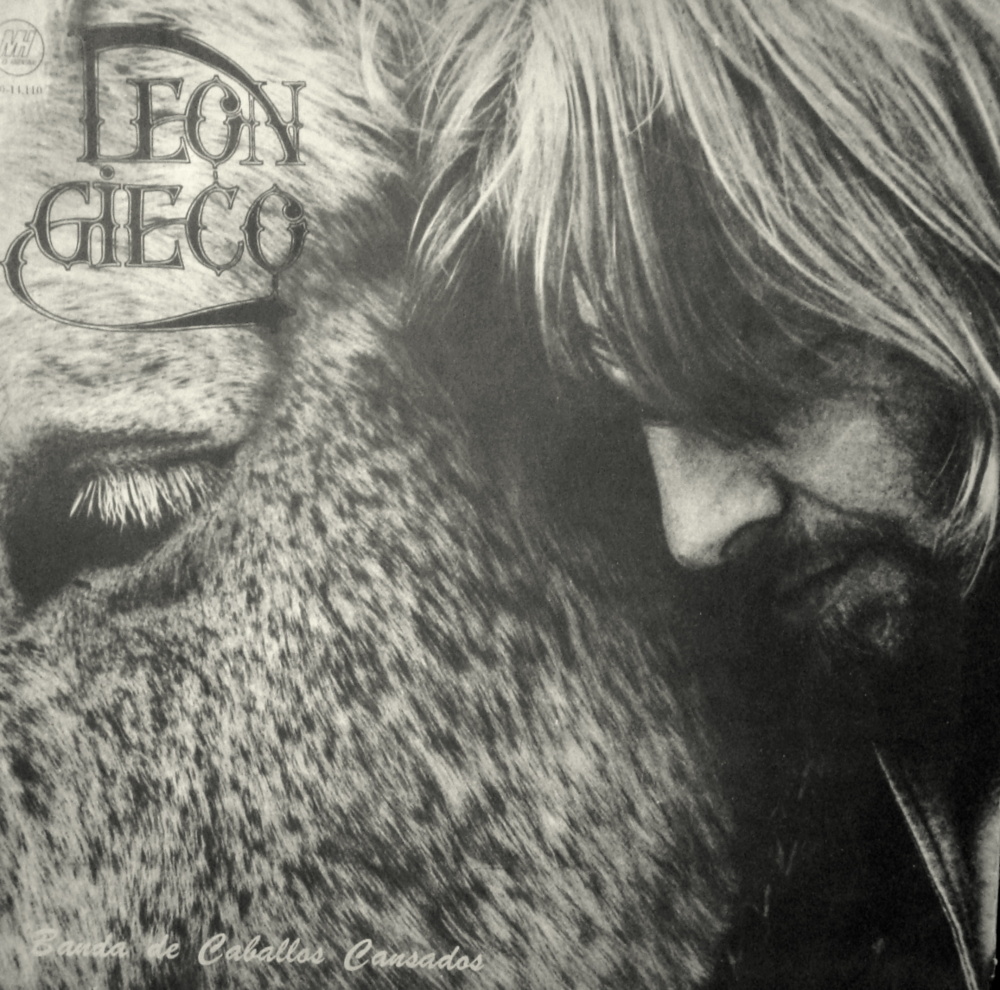
 View Artist