Song Meaning
The lyrics paint a picture of a complex, perhaps unrequited, affection, framed by a sense of longing and a specific, intimate connection. The narrator addresses someone as "princesa," but immediately questions what makes them dance in the dark, suggesting a hidden aspect to their personality. This person's whisper provides the narrator with courage, and they sing for them, hoping to find something in return. There's a clear admission of past disillusionment with love, yet the narrator believes this person is still a good fit for them, even observing them with others.
The central tension arises from the narrator's desire for a deeper connection versus the perceived superficiality of their physical intimacy. They admit to having given up on love, yet they still feel a profound absence – "a falta da dança, do corpo, da alma." This yearning contrasts sharply with the blunt declaration that the kiss is "sobre sexo, é mais nada." The repeated phrase "Nos teus seios o que transpira é minha valsa" is particularly striking, equating a physical act with the narrator's own internal rhythm and desire for peace, suggesting a complex emotional landscape beneath the surface.
The recurring motif of "a valsa" (the waltz) is a masterful piece of craft. It's introduced as a symbol of grace and perhaps a lost intimacy, linked to "malabares, as fitas, da calma." However, when the "valsa" actually "surges," it's immediately reduced to mere sex. This subversion creates a powerful emotional dissonance, highlighting the gap between the narrator's idealization of the connection and its actual manifestation. The desire for "paz" (peace) also echoes this, appearing after the intense physical description, as if seeking solace from the very act.
Ultimately, these lyrics resonate because they capture the painful reality of wanting more from a connection that seems to offer only a fraction of it. The narrator's plea for a "botão de replay" underscores a desperate wish to recapture moments of genuine feeling or perhaps to relive the idealized version of the dance. The contrast between the "princesa" dancing in the dark and the stark reality of the physical encounter, coupled with the yearning for a deeper "valsa," creates a poignant and relatable portrait of desire and disappointment.
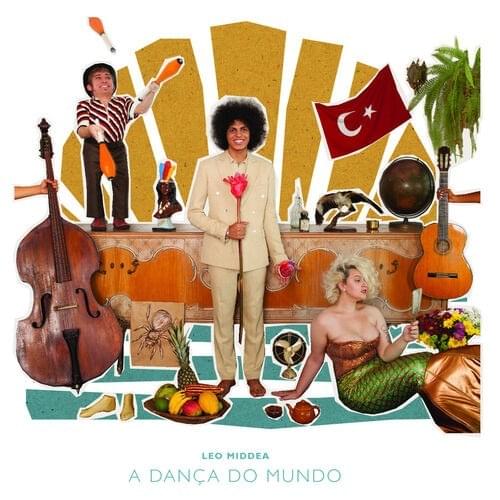
 View Artist