Song Meaning
This track paints a picture of a world where transgression is not just tempting but actively rewarded. The opening lines establish a primal allure to the forbidden, suggesting that sweetness is amplified when stolen and that curse words, universally known, hold a particular power. The lyrics propose that attraction itself is heightened by the taboo, specifically noting that a married person is more desirable, reinforcing the idea that societal boundaries are merely suggestions to be pushed.
The central tension arises from the glorification of 'crime' as the ultimate entertainment and source of reward. The narrator observes that stories, whether on television, in books, or films, often feature villains who ultimately triumph. This observation leads to the provocative assertion that 'crime pays and rewards,' framing illicit actions not as morally reprehensible but as a strategic, enjoyable, and profitable path to success.
The craft here hinges on a series of sharp, almost mundane examples that normalize and even celebrate petty transgressions. Swapping price tags at the supermarket or taking a motel ashtray are presented alongside the more dramatic idea of a politician being elected without votes. This juxtaposition suggests that the 'crime' being discussed ranges from minor rule-breaking to significant societal manipulation, all under the umbrella of cleverness. The concluding line, 'The world belongs to the clever, don't pity them,' solidifies this cynical worldview, urging the listener to embrace this opportunistic mindset.
Ultimately, the effectiveness of these lyrics lies in their audacious embrace of a dark, transactional view of human nature. By presenting forbidden acts and their perceived rewards with such directness and a lack of moral judgment, the song creates a compelling, albeit unsettling, argument for embracing the 'clever' path. It challenges conventional morality by suggesting that the most satisfying experiences and the greatest successes are found on the other side of the law.
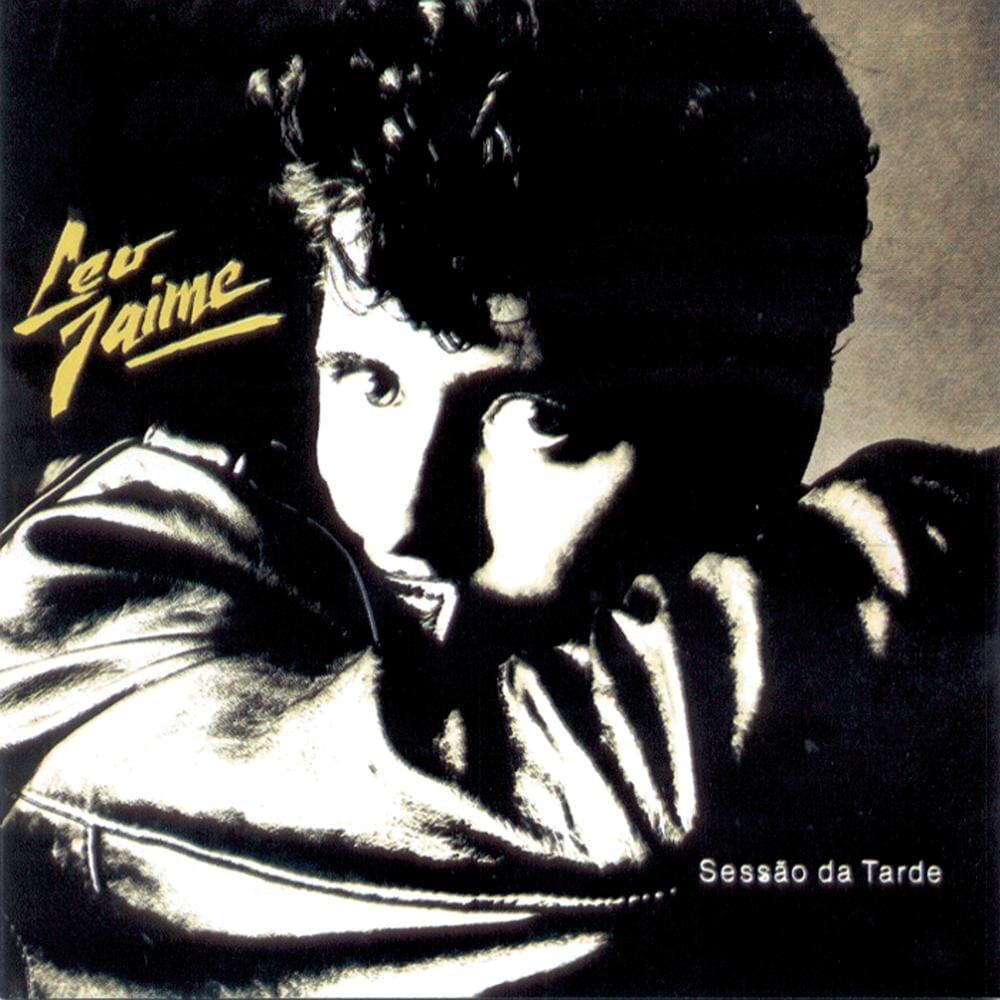
 View Artist