Song Meaning
The narrator grapples with a perceived disconnect between their inner world and modern expectations, especially in love. They're asked to be more 'modern,' but their heart feels stuck in a romantic, perhaps anachronistic, mode. This isn't a simple rejection of the present; it's a confusion about how their deep feelings fit into a contemporary context, leading to a self-questioning about their own nature.
This internal conflict is amplified by the narrator's fluctuating emotional state. One moment, they're building 'castles' in love, signifying grand romantic gestures. The next, they're taking 'vacations' to 'hell,' suggesting a dramatic, perhaps self-destructive, emotional spiral. This oscillation between intense devotion and profound despair is the core tension, making their claim of being 'so current' feel like a desperate defense against a perceived archaic sensibility.
The lyrics cleverly play with the idea of a 'new middle age' – a 'moda da nova idade média' and 'mídia da novidade média.' This phrase suggests a contemporary trend or media landscape that, ironically, mirrors or perhaps even romanticizes aspects of a past era, blurring the lines of what 'modern' truly means. The narrator feels they are *in* this new middle age, not out of step with it, yet still feels labeled as 'medieval.'
Ultimately, the effectiveness lies in this specific, almost absurd, self-diagnosis. The narrator's earnest belief in 'passion and beautiful windmills' clashes with the harsh reality of life 'playing with me,' leading them from 'drunkenness to drunkenness,' disproving their own sentimentality. This creates a poignant, relatable portrait of someone trying to navigate love and self-identity when their internal rhythm feels out of sync with the world's perceived beat.
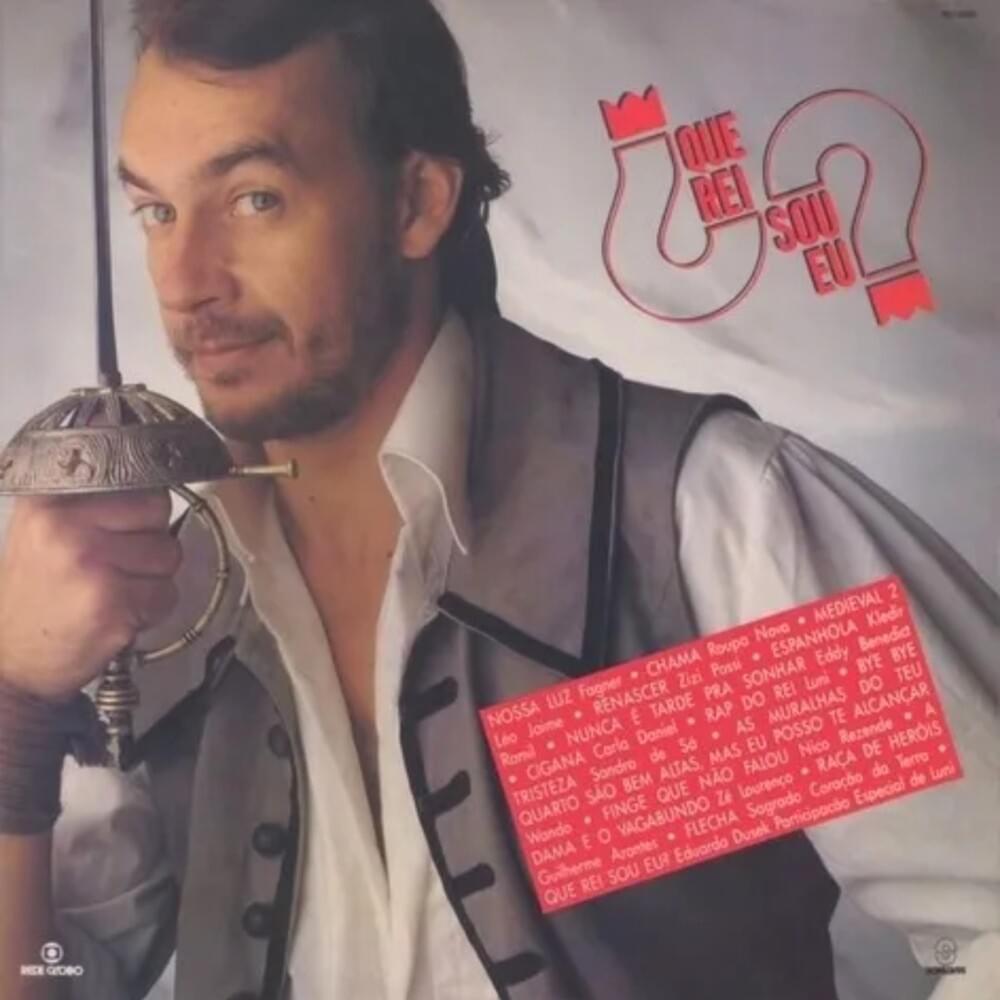
 View Artist