Song Meaning
The lyrics paint a stark picture of unrequited love and social disparity. The narrator contrasts their own humble circumstances – walking to school, having only one friend named Zé – with the perceived ease and popularity of their crush, who drives to school and has many friends. This initial setup immediately establishes a sense of longing and inadequacy, fueled by the desire for material possessions like a convertible, which the narrator believes is key to winning their beloved over. The emotional core here is a deep-seated insecurity, where self-worth seems tied to external validation and the ability to match the object of affection's lifestyle.
The central tension revolves around the narrator's inability to escape their obsession, even in sleep. They spend nights trying to forget the person, only to dream of them. This cyclical torment is amplified when the dream itself offers no solace, with the crush explicitly stating it cannot be between them. The line "Nem mesmo no meu sonho / Eu posso ter você prá mim" is particularly brutal, suggesting that even in the subconscious, the narrator is denied the fantasy of connection, reinforcing the painful reality of their situation.
The most striking aspect of the craft is the personification of life itself as a cruel entity. After a failed attempt at connection at a party, the narrator declares, "A vida não presta / Ela não gosta de mim." This isn't just a statement of personal failure; it's an accusation leveled against existence itself. The repetition of this phrase, punctuated by vocalizations, transforms a personal heartbreak into a broader existential lament. The lyrics suggest that the narrator feels fundamentally out of sync with the world, with their romantic rejection serving as the ultimate proof of this cosmic indifference.
Ultimately, the effectiveness of these lyrics lies in their raw, almost childlike expression of pain and perceived injustice. The simple, direct language and the clear contrast between the narrator's reality and their desires make the emotional weight palpable. The shift from a specific romantic longing to a generalized cry against a
gainst fate elevates the personal struggle, resonating with anyone who has ever felt overlooked or unfairly treated by circumstances beyond their control. The repeated, almost desperate refrain solidifies the feeling of being trapped in a cycle of disappointment.
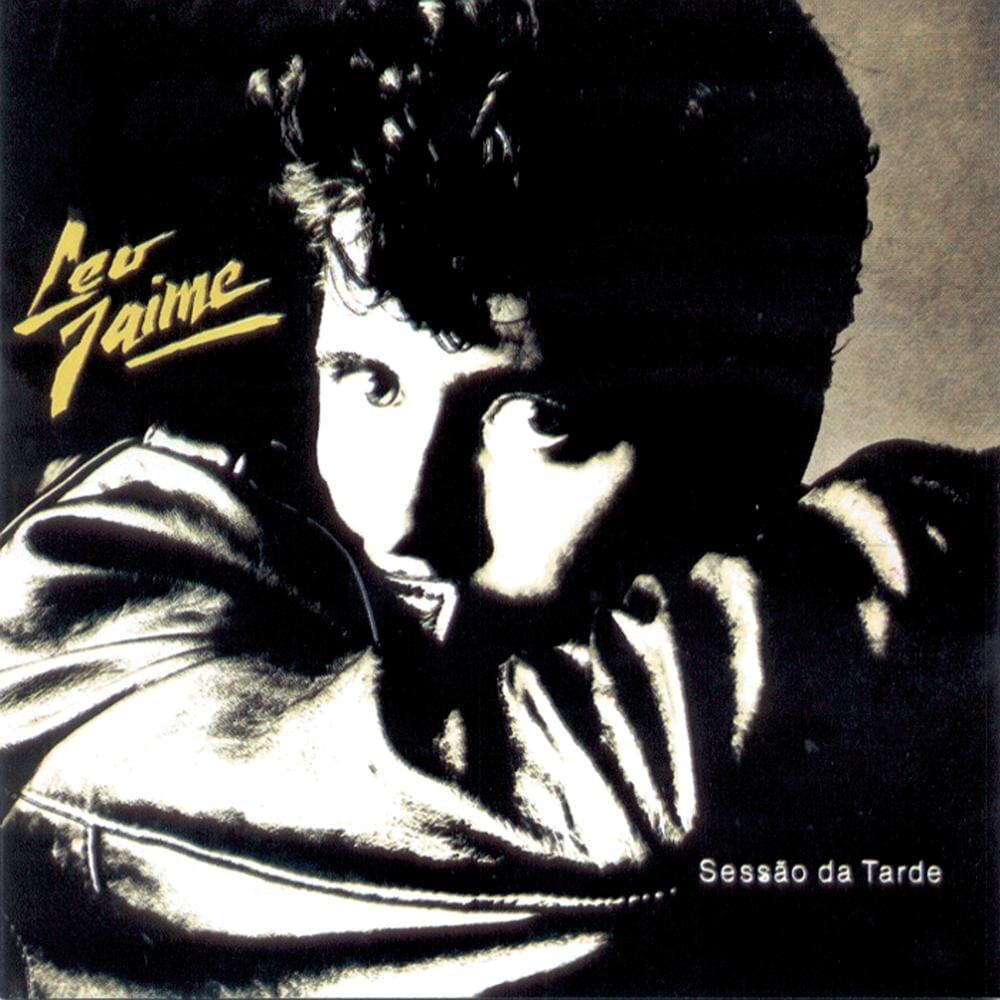
 View Artist