Song Meaning
Lenny Kravitz's raw, emotionally charged "Sister (Live)" feels less like a performed song and more like a desperate prayer screamed into the void. The lyrics cut deep, painting a portrait of a woman betrayed and lost, grappling with choices that led her down a dark path. The opening lines immediately establish a relationship defined by worry and regret: "Did you have to fall in love / With a man that was up to no good?" It's a question laced with pain, hinting at a destructive relationship that robbed the sister of her spirit and left her emotionally scarred. The repeated use of "Sister" acts as a mournful invocation, a plea for connection across a distance – physical, emotional, or perhaps even spiritual. Kravitz isn't just singing; he's reaching out.
The song meaning quickly evolves beyond romantic betrayal. The lyrics suggest a deeper struggle, possibly involving addiction or legal trouble: "If they knock on your door you already gave / You don't need no more of what's ailing you." This speaks to a situation where the sister has already sacrificed so much, implying a battle against forces that seek to exploit or imprison her. The line "You'll be free in a beautiful place" offers a glimmer of hope, but it’s a hope tinged with uncertainty. Is it a promise of eventual earthly redemption, or a more somber acceptance of freedom found only in death? The ambiguity hangs heavy, underscoring the precariousness of the sister's situation.
Ultimately, "Sister (Live)" is a testament to the enduring power of familial love in the face of adversity. It's an exploration of faith tested by hardship, a recognition of the devil's presence in the lives of the pure-hearted. Kravitz infuses the performance with a potent mix of anguish and resilience. The raw emotion in his voice transforms the song into a visceral experience, a reminder that even in the darkest of times, the bonds of family and the hope for redemption can offer a lifeline. The repeated references to "America" could be interpreted as a yearning for a return to a place of safety and innocence, or perhaps a commentary on the societal forces that contributed to the sister's downfall.
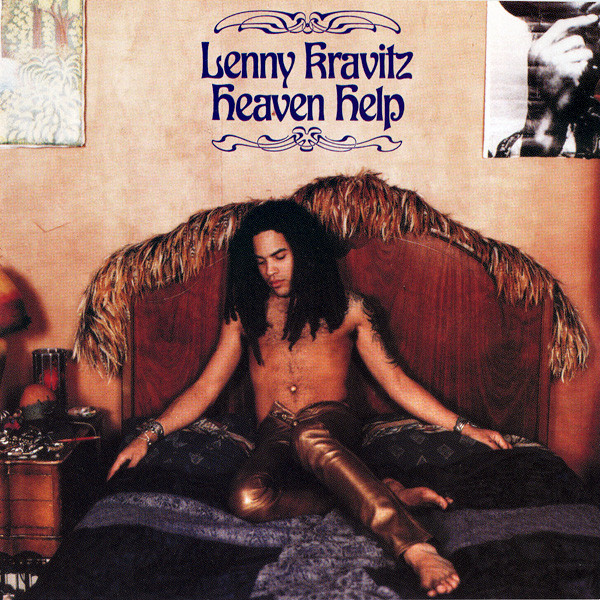
 View Artist