Song Meaning
Lene Marlin's "Learned From Mistakes" operates in the quiet spaces of relationship anxiety, that nagging fear of loss that shadows even the most stable connections. The song isn't a grand declaration of passion, but a hushed acknowledgment of vulnerability. It circles around the hypothetical absence of a loved one: "If you were gone tomorrow, what would I do then?" This isn't melodrama; it's a stark, almost clinical examination of dependency and the realization that we often take our closest bonds for granted. The repetition of this question acts as a mantra, a way of forcing the singer to confront a future she dreads. This lyrical framework highlights a common psychological defense mechanism: catastrophizing, where imagining the worst-case scenario can paradoxically motivate action in the present.
The core of the song's meaning lies in the conditional statements: "Would have been a fool if I lost you either way/I would have been lost if I left you, I'll stay." These lines reveal a past fraught with potential missteps, a recognition that the relationship’s survival wasn't guaranteed. It's a confession of near-misses, of almost succumbing to the temptation of walking away, or perhaps of not appreciating the connection fully. The phrase "learned from mistakes" isn't just a platitude; it implies a journey of self-awareness, a conscious effort to correct past behaviors and prioritize the relationship. This reflects a growth mindset, essential for long-term relational success.
Ultimately, "Learned From Mistakes" is about the quiet, internal work required to sustain love. It's about acknowledging the fragility of connection and actively choosing to stay, to invest, and to express feelings that might otherwise remain unspoken. The song's simplicity is its strength; it mirrors the straightforward honesty needed to navigate the complexities of human relationships. The singer's realization isn't a triumphant shout, but a whispered promise: a commitment to not repeat past errors and to cherish the present moment. The repeated line "We think there's lots of time/We have enough of time" is laced with irony, a reminder that time is a finite resource, especially in matters of the heart.
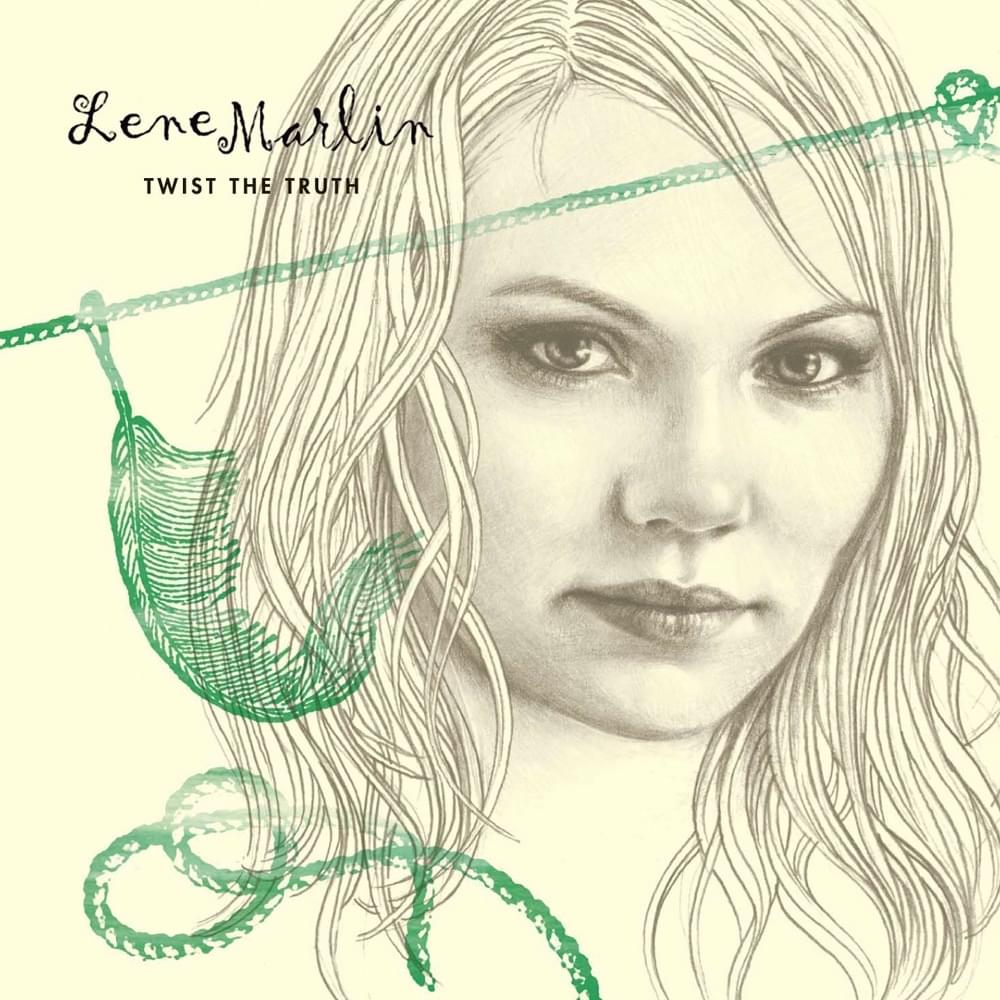
 View Artist