Song Meaning
The lyrics open with a disorienting blend of abstract philosophy and harsh reality. We're quickly pulled into a scene of domestic decay, centered around "Laura's steps." A palpable sense of something crumbling, both physically and emotionally, permeates the air.
A deep emotional tension drives these lines, contrasting outward appearances with an escalating inner turmoil. Images of "resíduos de lar" and "a tinta caía" paint a picture of neglect, while the mundane act of "matando baratas" hints at a deeper, more visceral struggle. This simmering frustration soon boils over.
The most striking element is the stark contrast between escalating rage and forced composure. The narrator describes "a fúria crescia, clamando vingança," yet immediately juxtaposes this with "o quarto das danças" – a space of past joy now overshadowed. This tension culminates in Laura's final appearance: "Na sala de espera, inda o ar educado," a polite facade barely containing the storm within.
These lyrics are effective because they don't just tell us about anger; they show its slow, suffocating build-up against a backdrop of decay and societal expectation. The shift from abstract "redondo vocábulo" to the raw demand for "vingança" is jarring, leaving the listener with a powerful sense of a life teetering on the edge. It's a masterclass in revealing profound internal conflict through precise, unsettling imagery.
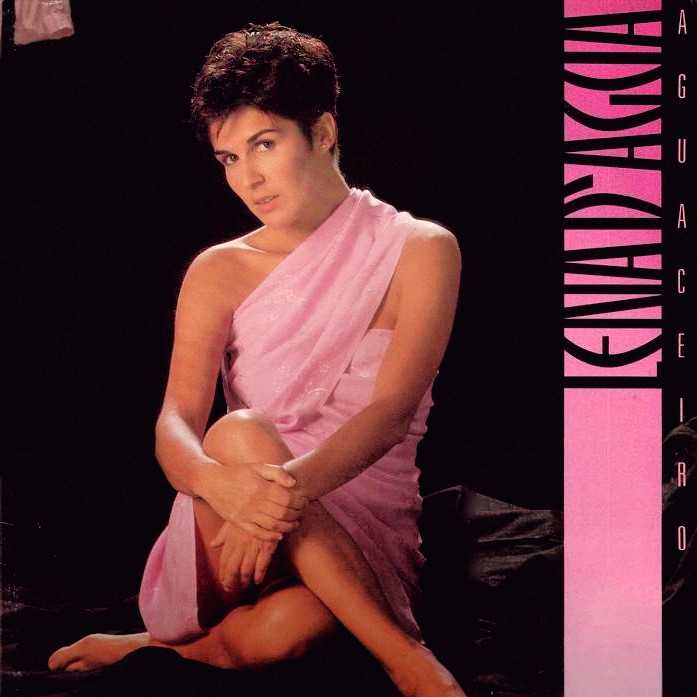
 View Artist