Song Meaning
The lyrics paint a vivid picture of summer's end, where the vibrant energy of the season is giving way to the melancholic arrival of autumn. The opening lines, "Gunga, gunga gula blad / Flyger ni från mig idag?" immediately establish a sense of departure and loss, as yellow leaves, a classic symbol of fall, are already taking flight, mirroring the narrator's own feelings of summer slipping away. This sets a wistful tone, as the "summan av min sommarsyn" (the sum of my summer vision) is reduced to the heavy trees against the sky, suggesting a fading memory of warmth and light.
The central tension revolves around the elusive nature of summer and happiness, personified by a "sommarkatt" (summer cat) or "silverkatt" (silver cat). This feline figure is described as being "i höstens sko" (in autumn's shoe) and moving in "glömskor" (forgetting shoes), implying a transient, uncatchable quality. The repeated refrain, "Den kan ingen fånga" (No one can catch it), emphasizes this inability to hold onto the fleeting joy or the essence of summer as it transforms into something else, perhaps a memory or a more somber reality.
The lyrics masterfully employ contrasting imagery and shifting perspectives to convey this emotional transition. The initial bright images of summer, like the "glänkte litegrann" (shone a little) day, are quickly overtaken by the encroaching "natten" (night) and the starkness of winter. The final refrain introduces a darker, more poignant twist: the cat, now associated with "sotblå silverflan" (soot-blue silver sheen) and "garn" (yarn), is no longer just a symbol of fleeting joy but is now "Hittar gråt i själen" (finds crying in the soul). This suggests that the memory of summer, or the loss of it, has become a source of deep sadness, tangled in the threads of the past.
This emotional resonance is amplified by the way the lyrics weave together the tangible signs of seasonal change with internal emotional states. The "gula blad" and the approaching "vintern" (winter) are not just external events but seem to directly impact the narrator's inner world, leading to a profound sense of melancholy. The transformation of the cat from an uncatchable entity of summer to one that "hänger i sitt garn" and finds sorrow highlights how the passage of time and the loss of cherished moments can leave one feeling trapped and heartbroken, even amidst the beauty of nature's cycles.
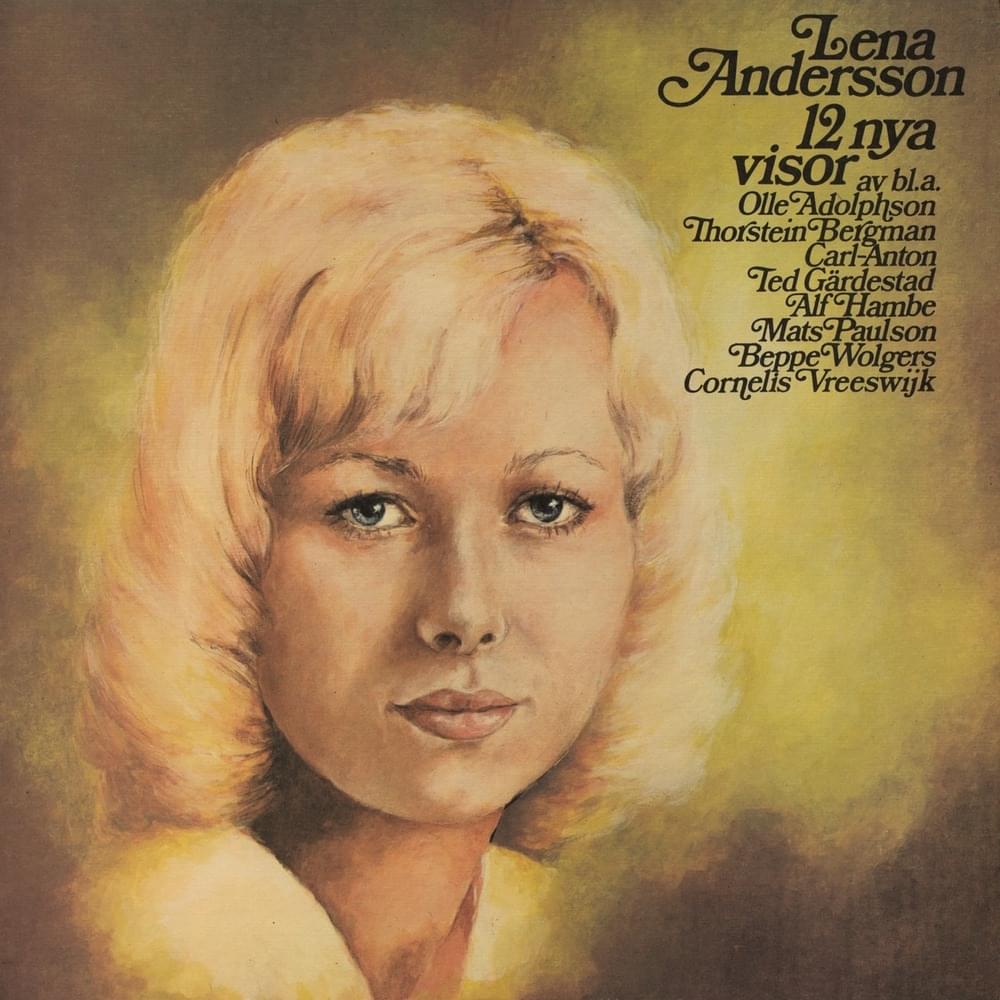
 View Artist