Song Meaning
The lyrics open with a tender scene, painting a picture of morning light illuminating a "true love's hair." The narrator observes simple, natural colors—yellow, blue, green—each tied to the cherished ritual of "when we rise." This repeated phrase anchors the verses in a deeply personal, intimate routine. It's a quiet celebration of everyday beauty.
What initially feels like a gentle ode to morning transforms dramatically in the final verse. The narrator abruptly shifts from visual observations to the profound concept of "Freedom," a word they "rarely use / Without thinkin'." This sudden pivot creates a powerful emotional tension, suggesting that the seemingly simple joys of the morning are, in fact, foundational to a deeper sense of liberty.
The genius here lies in the structural contrast. The first three verses build a rhythmic, almost hypnotic pattern with the repeated lines "In the mornin', when we rise" and "That's the time... I love the best." This repetition establishes a comforting, predictable world. Then, the fourth verse shatters that pattern, replacing the color-object pairing with an abstract idea, forcing the listener to re-evaluate the preceding imagery and its true significance.
By linking "Freedom" directly to "the time / When I've been loved," the lyrics redefine what true liberation might mean. It's not just an absence of constraint, but a profound sense of security and belonging found in intimate connection. The narrator implies that the simple, shared mornings—seeing "my true love's hair" or the "sparklin' corn"—are the very moments that embody this deeply personal and cherished freedom.
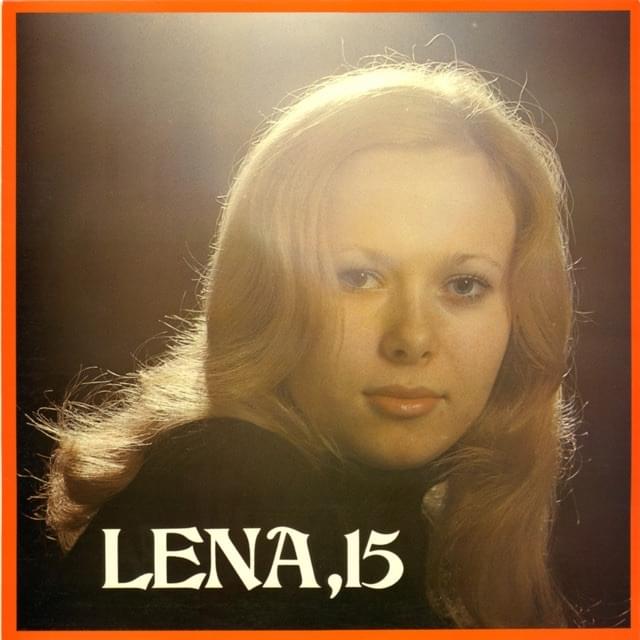
 View Artist