Song Meaning
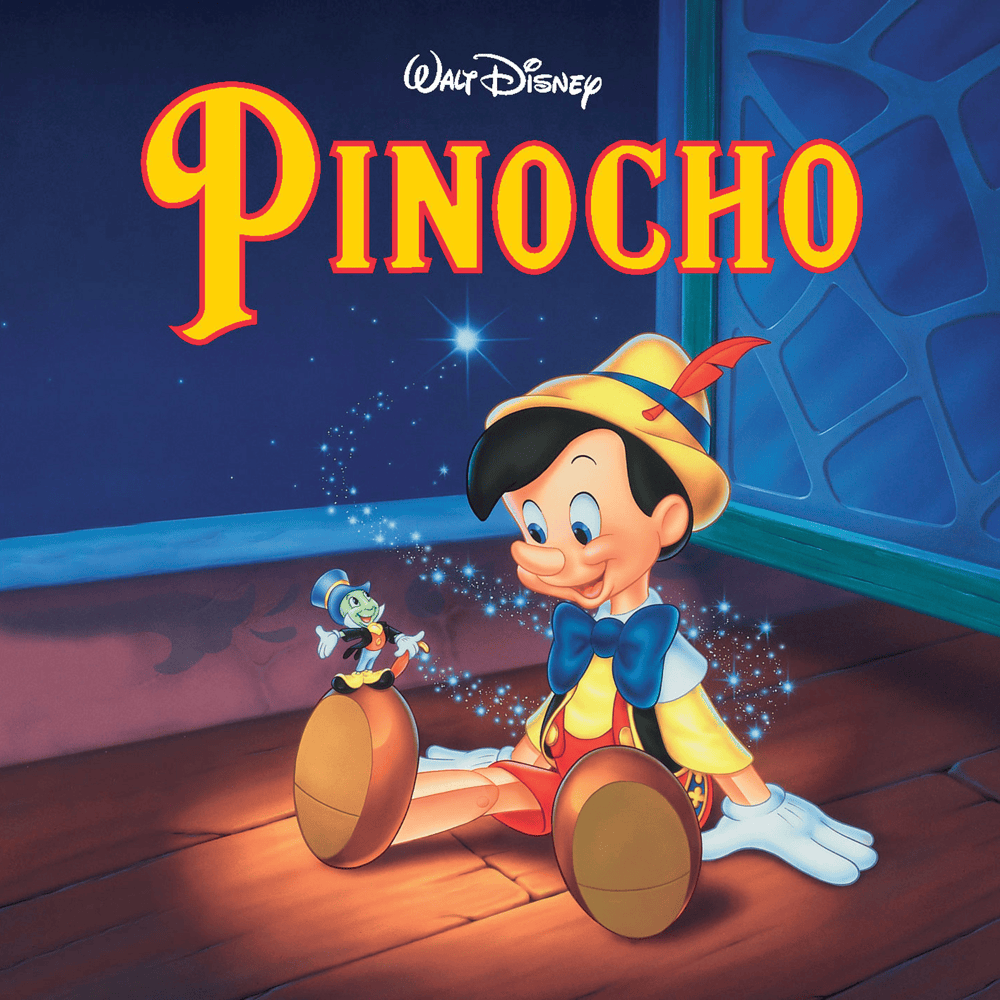
This Spanish lyric paints a picture of a magical blue star that grants wishes. The narrator, identified as Pepito Grillo, describes the star's power appearing in the quiet of the night. It promises that any desire, especially one born from a grand illusion and heartfelt plea, will be heard and fulfilled by its light. The lyrics suggest a profound connection between sincere longing and the star's ability to manifest dreams.
The central tension lies in the contrast between the vastness of human desire and the seemingly simple act of wishing upon a celestial body. The star acts as a conduit, bridging the gap between internal aspirations and external reality. It implies that the sincerity of the wish, its depth of emotion – "Pídela de corazón" – is the key ingredient that unlocks its power. This elevates the act of wishing from a passive hope to an active, heartfelt engagement with the universe.
The most striking craft element is the personification of the star and its light as an active agent of fulfillment. The phrase "la estrella te sabrá así escuchar" suggests an understanding, a listening ear in the cosmos. Furthermore, the idea that "Las horas que hablarán de tiempos idos" will return implies that the star's magic can not only create new realities but also restore or revisit past glories, adding a layer of nostalgic hope to its wish-granting capabilities. The repetition of "estrella azul" and "lo que pidas" reinforces the singular focus on this magical entity and its promise.
Ultimately, these lyrics resonate because they tap into a universal human desire for hope and the belief that profound wishes can indeed be realized. The imagery of the "estrella azul" shining in the "nocturnal quietud" creates a serene yet potent atmosphere. The promise that "Lo que pidas al soñar lo hará su luz" offers a comforting assurance that even the grandest dreams are within reach if they are pursued with genuine heart and soul.
 View Artist