Song Meaning
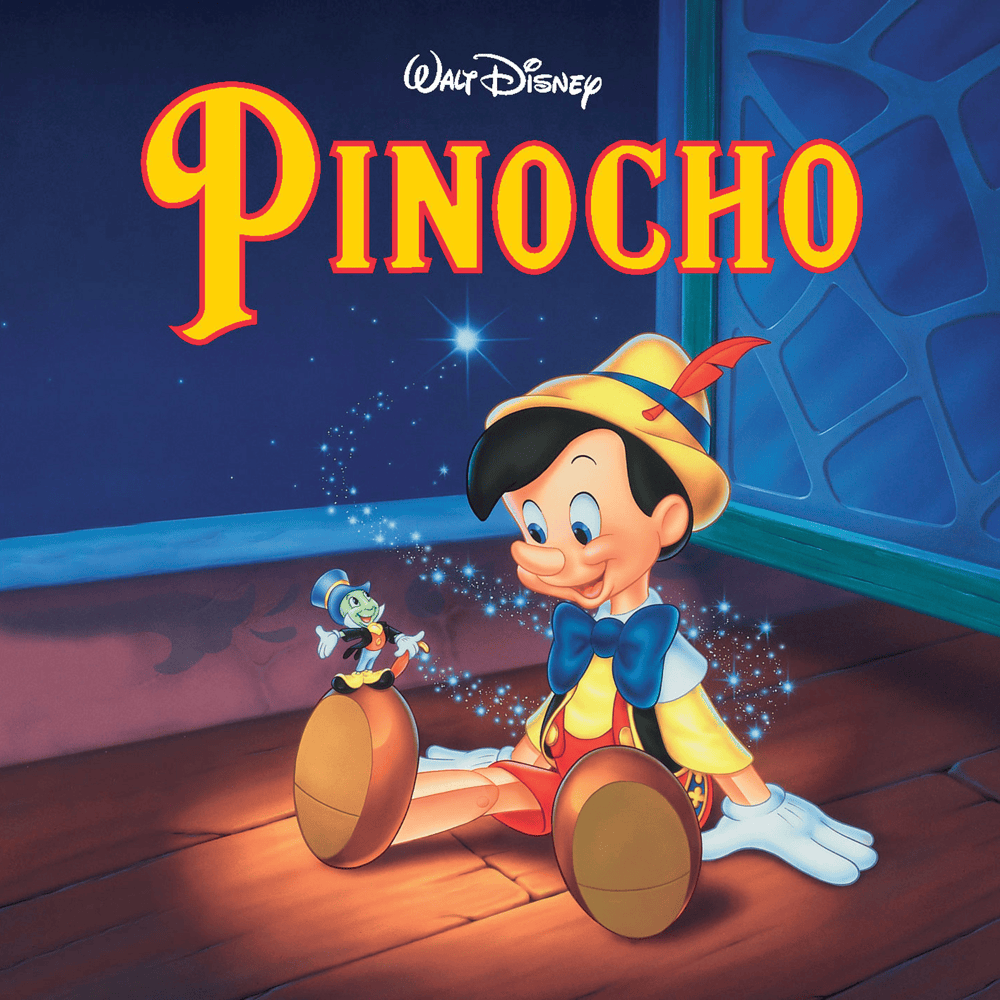
This track opens with a declaration of newfound independence, sung by a character who seems to have shed their constraints. The narrator boasts about self-sufficiency, claiming to move, walk, run, and dance without any external guidance. This is framed as a joyous liberation, a state of being "free and happy" where "nobody controls me." The repeated assertion of being "without strings" suggests a definitive break from a past where they were manipulated.
However, this triumphant independence is immediately met with interest from other characters, each expressing a desire to connect. The Danish Doll's simple "I want you" and the French Doll's flirtatious "I want to go with you" highlight a romantic or companionable pull. The Russian Doll’s declaration, referencing a "Zar" but ultimately professing personal affection, further emphasizes this theme of external figures wanting to claim or possess the narrator, even as the narrator claims self-ownership.
The core tension lies in the contrast between the narrator's proclaimed freedom and the immediate desires of others to attach themselves. The narrator insists on their self-determination, stating "They have them and I don't," referring to the "strings" others might possess or be controlled by. Yet, the various dolls, each with their own distinct cultural markers, all express a longing for connection, creating an ironic backdrop to the narrator's solo celebration of liberty.
The effectiveness of these lyrics stems from this juxtaposition. The initial jubilant assertion of freedom is immediately complicated by the persistent, almost magnetic pull of relationships and external validation. The narrator's claim of being "free and happy" is sung again at the end, but the preceding verses leave the listener questioning whether this freedom can truly be maintained when others are so eager to tie them down, even if with seemingly desirable connections.
 View Artist