Song Meaning
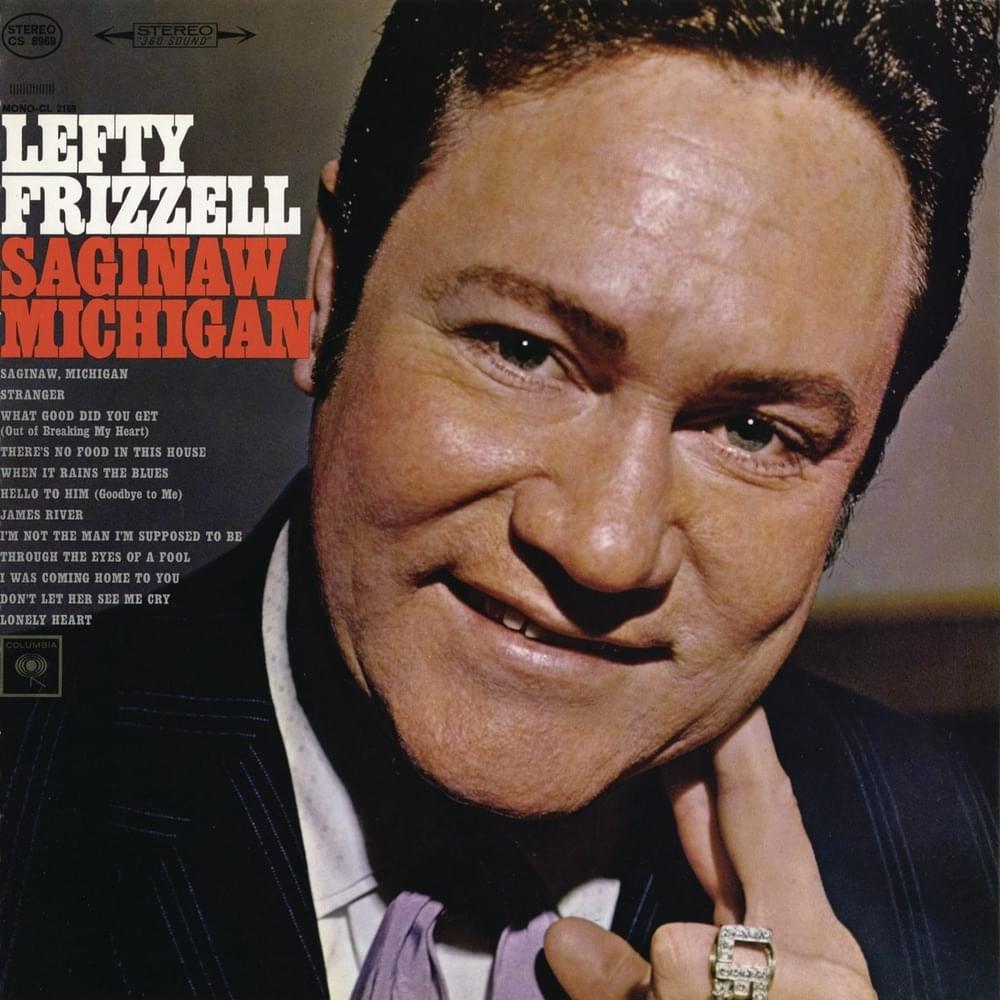
Lefty Frizzell's "Stranger" is a masterclass in country music heartbreak, distilled to its rawest emotional components. The song's power lies not in complex narrative, but in the gut-wrenching simplicity of its central paradox: the devastating realization that someone intimately known can suddenly become a stranger. The opening lines immediately establish this disorienting shift, as the object of the singer's affection feigns ignorance upon introduction. This calculated coldness is a brutal rejection, triggering a cascade of grief that Frizzell captures with understated eloquence. The "teardrop in my eye" is not a melodramatic flourish, but a quiet acknowledgement of a world irrevocably altered. The lyrics cut to the core of relational pain, where love's familiarity warps into alienating indifference. The repetition of "Stranger, you're no stranger to me" underscores the speaker's desperate clinging to the past, a futile attempt to reconcile memory with present-day reality.
The chorus acts as both a lament and a mantra. It's a desperate plea against the erasure of shared history, a refusal to accept the new, unwelcome reality. The sparseness of the lyrics amplifies the emotional weight; the simplicity mirrors the singer's stunned disbelief. There's a profound sense of helplessness in the lines "What can you say when your lover becomes a stranger to you?" It is the question that haunts the song, the unanswerable riddle at the heart of the singer's anguish. The hope for reconciliation, "if you ever change your mind I won't be hard to find," adds another layer of pathos. It's a testament to the enduring power of love, even in the face of profound betrayal and the slow burn of lost connection.
Ultimately, "Stranger" resonates because it taps into a universal fear: the fear of losing intimacy, of being forgotten, of becoming irrelevant in the life of someone you deeply care for. Frizzell's vocal delivery, with its signature blend of vulnerability and stoicism, perfectly complements the song's emotional core. He doesn't over-sing or grandstand; instead, he allows the lyrics to speak for themselves, creating a space for listeners to project their own experiences of loss and longing onto the song's sparse but resonant narrative. In this way, "Stranger" becomes more than just a country song; it becomes a poignant reflection on the fragility of human connection and the enduring power of memory in the face of heartbreak.
 View Artist