Song Meaning
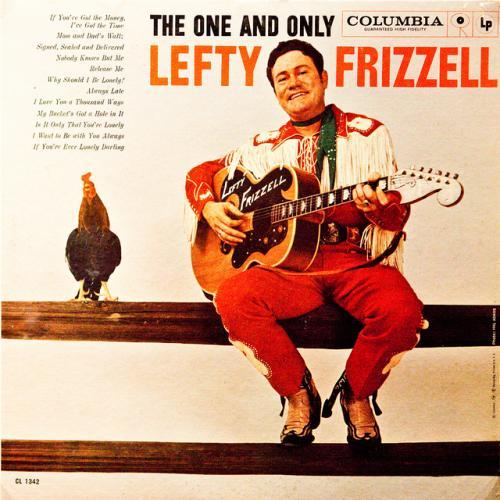
Lefty Frizzell's plaintive tenor in "I Love You a Thousand Ways" isn't just crooning a love song; it's negotiating a fraught emotional landscape. The track, recorded in December 1958, is steeped in the classic country tradition of regret and redemption, but with a twist of self-awareness that elevates it beyond simple heartbreak. The repeated line, "I love you, I'll prove it in days to come," isn't a confident declaration but a promise tinged with desperation, hinting at past failures and the weight of proving himself worthy. The singer acknowledges his shortcomings ("I should have been good to you"), implying a history of mistreatment or neglect. This isn't just about affection; it's about making amends. The song's power lies in its vulnerability.
The lyrics reveal a man grappling with the consequences of his actions. The repeated apologies and promises of future good behavior ("I'll be nice and sweet to you/And no more will you be blue") suggest a cycle of hurt and reconciliation. The phrase "wait until I'm free" introduces an element of external constraint, perhaps hinting at a situation that prevents him from fully committing to the relationship in the present. This could be interpreted literally or metaphorically, suggesting a prison of his own making or some other obstacle hindering his ability to be the partner his lover deserves. The insistence that “there’ll be a change, a great change made in me” suggests a profound shift in character is necessary to earn forgiveness.
The "I Love You a Thousand Ways" song meaning isn't just about romantic love; it's about personal transformation. The promise to prove his love isn't just about grand gestures; it's about consistent, everyday acts of kindness and devotion. The song ultimately presents a portrait of a man striving for redemption, attempting to break free from past mistakes and become the partner his lover deserves. Frizzell's delivery, with its subtle cracks and wavering notes, only amplifies the sense of vulnerability and the weight of the promise he's making. It's a country classic precisely because it taps into the universal human desire for forgiveness and the hope for a second chance.
 View Artist