Song Meaning
The lyrics paint a picture of someone overwhelmed by the world's relentless demands and experiences. The opening lines, listing "places I have been" and "faces I have seen," immediately establish a sense of exhaustive travel and social exposure. This is amplified by the repetition of "Too much, too much," suggesting a saturation point where even the physical structures of the world – "bricks and stones" – feel like they've been "cast" or "thrown" with excessive force, making them feel hostile rather than grounding.
The narrator expresses a desire for anonymity and escape, seeking to be "in the background looking down," a position that offers a detached, less exposed perspective. This yearning for a less intense existence leads to a plea for "a sanctuary," a "refuge for my ordinary," and a "peaceful home." The contrast between the external "madness" and the internal need for safety and solace is palpable, highlighting a deep-seated exhaustion with the external world's intensity.
The imagery shifts to natural elements that represent insurmountable challenges: "cliffs" that are "too high to climb" and "waves" that are "crashing down." These powerful metaphors underscore the feeling of being battered and defeated by forces beyond the narrator's control. The repeated "Too high, too high" and the return of "Too much, too much" reinforce the overwhelming nature of these struggles, creating a sense of being submerged and unable to find solid ground.
Ultimately, the lyrics pivot towards a resolution found in a relationship or a profound connection, where the narrator declares, "I finally find myself in You." This external anchor provides the "safe again" feeling that was so desperately sought. The repeated phrase "You're the one I'm running to" solidifies this newfound refuge, transforming the overwhelming external pressures into a manageable experience through a powerful internal connection.
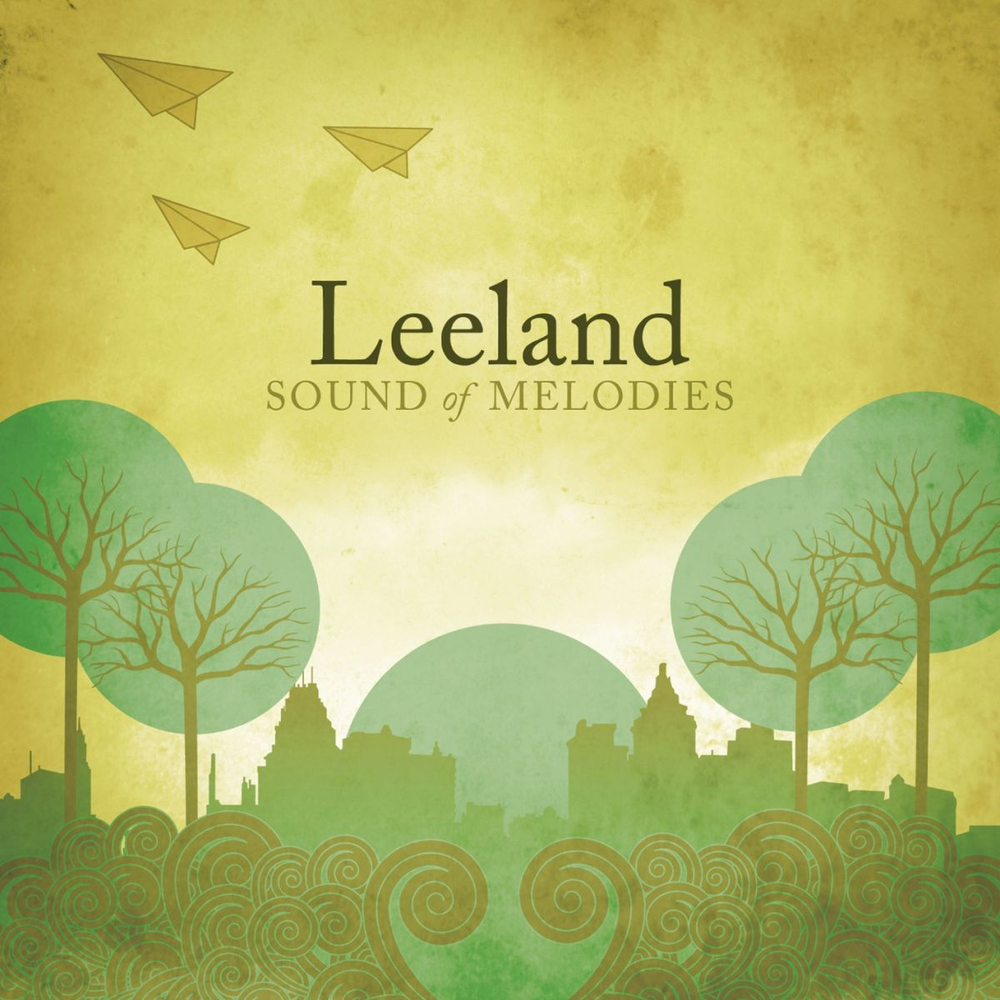
 View Artist