Song Meaning
This track paints a picture of a relationship built on a foundation of manipulation and a twisted sense of passion. The narrator describes her partner's actions as deliberately making her feel foolish, primarily for his own social gain among friends. This isn't just casual deception; it's framed as a "paranoid passion wave," where even intimacy is treated like a "game of chance." The core of the conflict lies in the disconnect between his words and his actions, and the narrator's struggle to reconcile this.
The lyrics highlight a central tension: the partner's proclaimed desire to "to fall in love" feels disingenuous, like a self-absolution rather than genuine emotion. The narrator observes that true passion "has nothing to do with will," arriving like an "alarm" of "crazy desire" that "can't be controlled." This suggests a chaotic, unpredictable dynamic where his stated intentions are at odds with the raw, uncontrollable impulses that seem to drive him, leaving the narrator in a state of insecurity.
What truly stands out is the stark contrast between the partner's superficial "bourgeois life" filled with "useless friends" and "drugs" – a scene ripe for a "Fellini film" – and his stated wish to "date." This juxtaposition underscores the absurdity and unreliability of his declarations. The narrator's own confusion is palpable; she's "crazy for him" yet "doesn't know what to say," caught between his performative lifestyle and his fleeting claims of wanting commitment.
Ultimately, the effectiveness of these lyrics stems from their raw portrayal of emotional confusion and the painful reality of a relationship where love feels like a performance. The narrator's desire is simple yet profound: for him to "break my routine" and "desire to love me," a plea born from the instability he himself creates. The repeated "blá, blá, blá" before "I love you" perfectly captures the hollowness of his pronouncements, making the narrator's yearning for genuine connection all the more poignant.
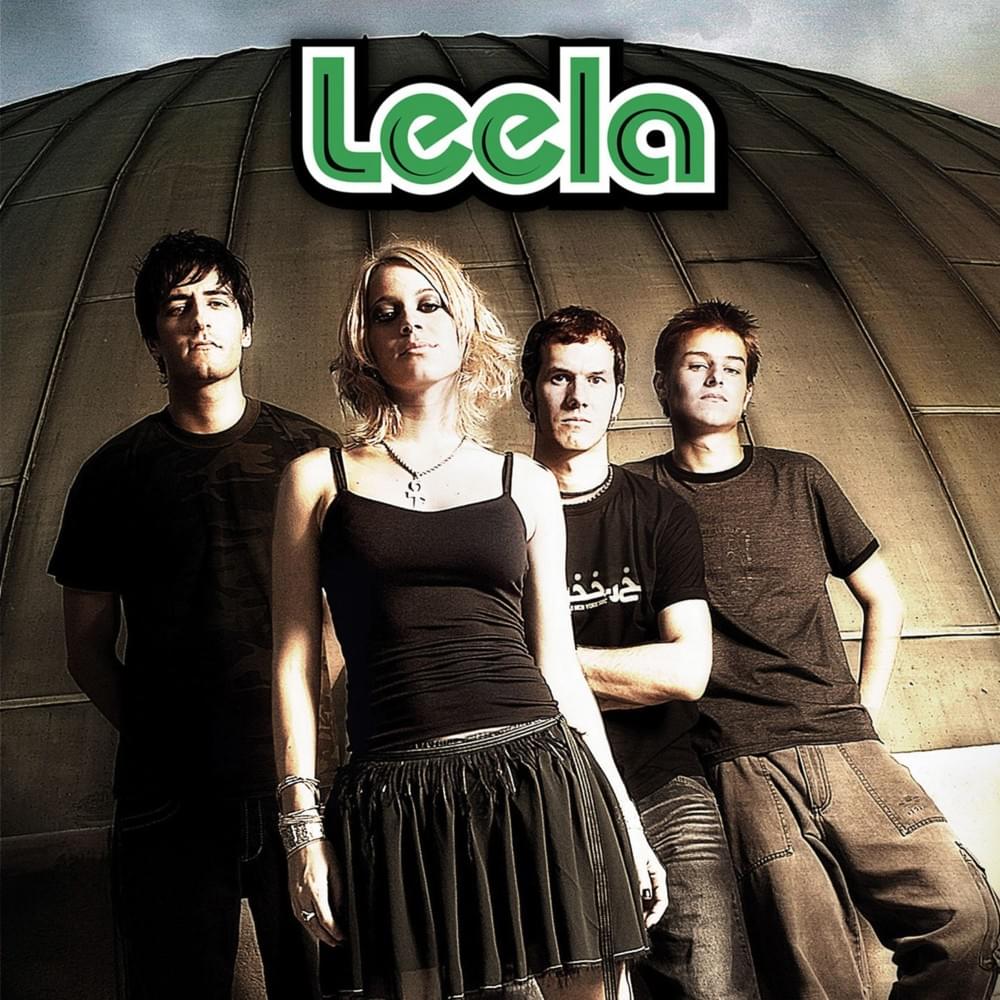
 View Artist