Song Meaning
The narrator grapples with the enduring nature of love, even as logic dictates it should fade. They acknowledge that relationships change over time, yet their own feelings remain stubbornly fixed. This internal conflict highlights a deep-seated belief that some connections are meant to be permanent, defying the natural passage of time and the expected evolution of emotions. The lyrics suggest a struggle against the common wisdom that all things, including love, eventually transform or disappear.
The central tension lies in the narrator's inability to move on, despite the apparent departure of their beloved. They project an image of having forgotten, perhaps even of being happy with someone else, to the outside world. However, the truth is a stark contrast: they are still deeply entangled in memories and emotions, unable to sever the tie. This creates a poignant dissonance between their outward appearance and their inner reality.
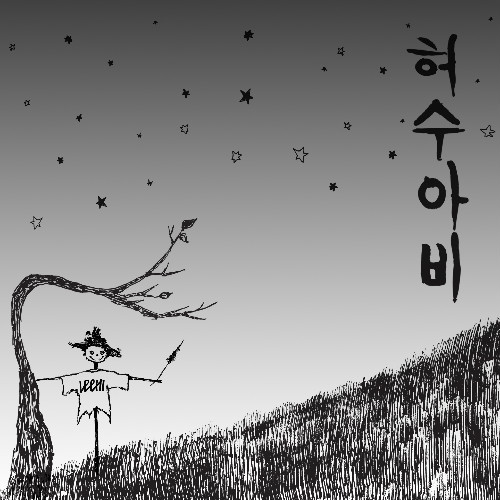
The recurring image of the scarecrow is particularly effective in conveying this emotional stasis. Standing alone in a vast field as darkness falls, the scarecrow is a figure of isolation and helplessness, buffeted by the elements but unable to move. The lyrics explicitly link this to the narrator's state: "모두가 떠나가도 혼자 서있는 허수아비처럼" (like a scarecrow standing alone even if everyone leaves). This metaphor powerfully captures the feeling of being left behind, rooted in place by an unshakeable attachment.
Ultimately, the effectiveness of these lyrics stems from their raw portrayal of unrequited or lost love as a form of paralysis. The narrator's internal monologue reveals a vulnerability that resonates with anyone who has experienced the lingering ache of a past relationship. The stark imagery and the contrast between perceived indifference and actual longing create a deeply affecting portrait of someone stuck in time, forever watching the stars, hoping for a return that may never come.
 View Artist