Song Meaning
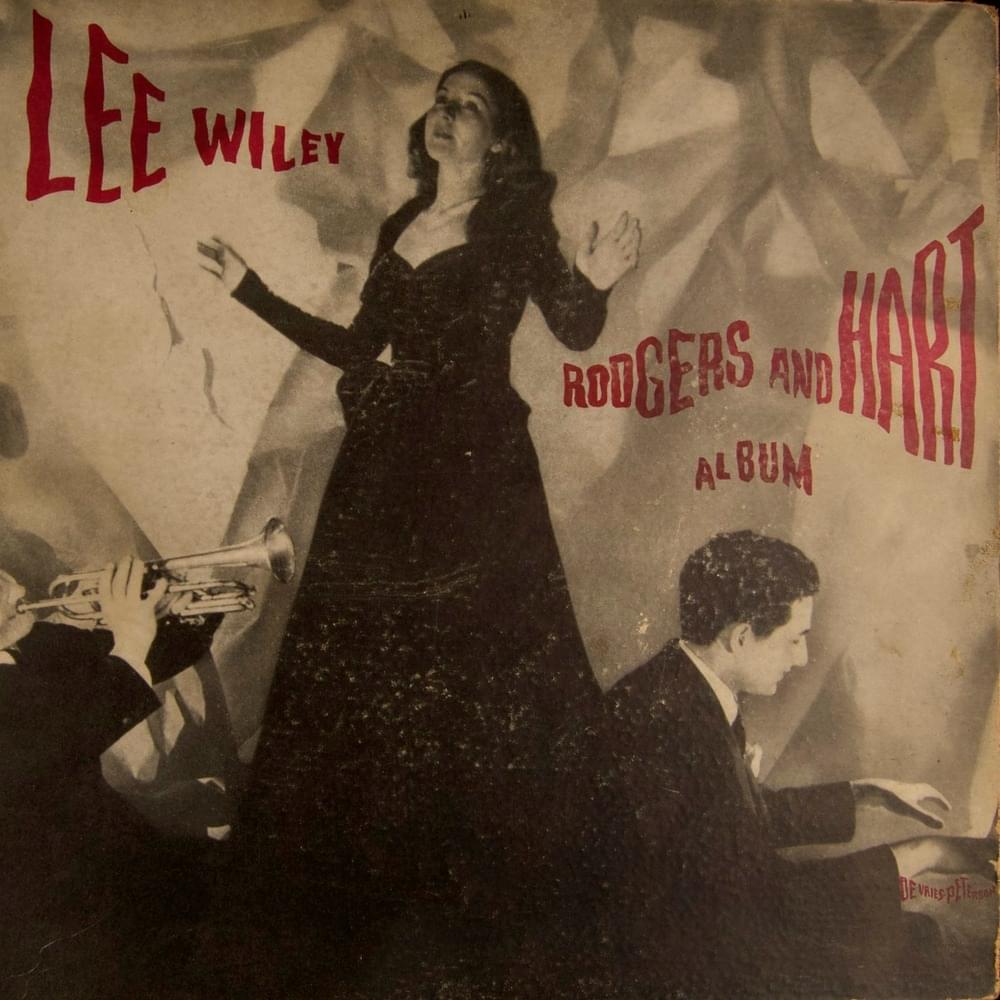
Lee Wiley’s rendition of "Glad to Be Unhappy" isn't just a melancholic ballad; it's a masterclass in emotional paradox, dissecting the masochistic tendencies that can bloom within the landscape of unrequited love. The song's genius lies in its unflinching acknowledgment of the speaker's awareness – a self-deprecating humor cutting through the pain. Wiley's delivery, tinged with a world-weary acceptance, elevates the track beyond simple heartbreak; it's a study in the strange comfort one can find in wallowing. The opening verse, with its direct address of the self ("Look at yourself"), establishes this critical distance, almost as if the speaker is observing their own descent into despair with detached amusement.
The brilliance of "Glad to Be Unhappy" stems from its exploration of the twisted logic of longing. The chorus, the song's emotional core, lays bare this contradiction. The speaker is "glad to be unhappy," finding a perverse "pleasure to be sad" for the sake of the adored. This isn't mere sadness; it's a chosen unhappiness, a dedication to the object of affection so profound that even suffering becomes a form of connection. The image of the "straying baby lamb / With no mammy and no pappy" is particularly poignant, highlighting the vulnerability and loneliness inherent in this chosen path. It's a raw, exposed nerve, yet presented with a sophisticated understanding of its own absurdity.
Ultimately, the song meaning in "Glad to Be Unhappy" isn't about romanticizing sadness, but rather about understanding the complex ways we process and even derive meaning from painful experiences. Wiley's version, in particular, with its jazzy undertones and her signature smoky vocals, adds layers of sophistication to the song's inherent irony. It's an anthem for the heartbroken, yes, but also a knowing wink to those who recognize the strange, seductive pull of unfulfilled desire. The lyrics analysis reveals a complex emotional landscape, where pain and pleasure intertwine in a bittersweet dance.
 View Artist