Song Meaning
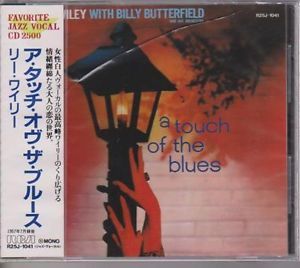
Lee Wiley's rendition of "Between the Devil and the Deep Blue Sea" isn't just a song; it's a masterclass in articulating the agonizing paradox of toxic love. The song's central metaphor—caught between the infernal "devil" and the vast, unknowable "deep blue sea"—perfectly encapsulates the feeling of being trapped in a relationship that offers neither solace nor freedom. It's a situation where two equally undesirable options are the only choices, and forward motion feels impossible. Wiley's delivery adds a layer of world-weariness, hinting at repeated cycles of this destructive dance. The genius of the song lies in its ability to tap into a universal experience: the magnetic pull of someone who is demonstrably bad for you.
The lyrics highlight the internal conflict tearing the narrator apart. "I don't want you, but I'd hate to lose you" is a stark admission of the dependency that often fuels these unhealthy attachments. It's not about genuine affection, but rather the fear of being alone or the perceived void that the other person fills, however inadequately. The repeated line, "You've got me in between the devil and the deep blue sea," acts as a haunting refrain, underscoring the feeling of inescapable entrapment. The narrator is aware of the toxicity ("I ought to cross you off my list"), yet powerless to resist the allure when the object of their affection returns.
Ultimately, "Between the Devil and the Deep Blue Sea" is a raw and honest portrayal of the psychological complexities of unhealthy relationships. It's about the self-awareness that comes with recognizing the destructive pattern, coupled with the frustrating inability to break free. The song doesn't offer easy answers or resolutions, but instead lingers in the uncomfortable space between desire and self-preservation, leaving the listener to grapple with the unsettling truth that sometimes, the chains we wear are the ones we forge ourselves. The lyrics analysis reveals that the devil and the deep blue sea are not external forces, but internal states of being, reflecting the push and pull of need and self-respect.
 View Artist