Song Meaning
The narrator declares a profound liberation, a stark contrast to a past state of being "bound." This isn't just a simple escape; it's a reorientation, a shedding of old constraints that tethered them to "yesterday's clouds." The repetition of "I've been set free and I've been bound" in the verses highlights the duality of this experience, suggesting that freedom itself can feel like a new kind of confinement or that the process of becoming free involved a prior state of being held captive.
The core tension lies in the nature of this newfound freedom. The repeated phrase "I'm set free to find a new illusion" is particularly striking. It implies that the liberation isn't necessarily a move towards objective truth or clarity, but rather an opportunity to embrace a different, perhaps self-constructed, reality. This suggests a complex understanding of freedom, one that acknowledges the potential for self-deception or the creation of new, albeit chosen, limitations.
The most arresting image arrives in the third verse: "I saw my head laughing / Rolling on the ground." This surreal, almost violent, visual speaks to a radical detachment from one's former self or sanity. It's a powerful metaphor for a complete mental upheaval, where the very seat of reason and identity is depicted as being severed and mockingly alive. The narrator's ability to witness this bizarre spectacle, and then declare themselves "set free," underscores the profound psychological shift they've undergone.
Ultimately, the lyrics resonate because they capture the disorienting yet exhilarating feeling of radical personal change. The ambiguity of "new illusion" leaves the listener contemplating the subjective nature of freedom and the often-unpredictable paths it can lead us down. The stark, almost hallucinatory imagery, combined with the insistent refrain, creates a potent portrait of a mind breaking free, even if the destination is uncertain.
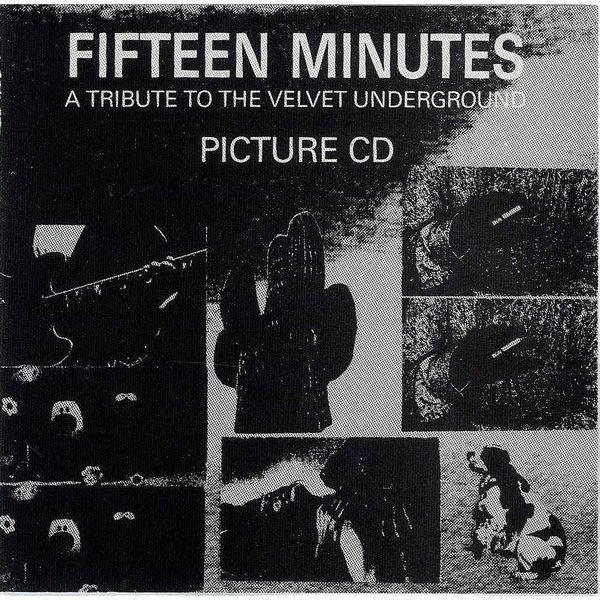
 View Artist