Song Meaning
The lyrics paint a picture of stagnation against a backdrop of relentless forward motion. The narrator feels stuck, observing time tick by ("째깍 째깍") while their companion constantly moves ahead, leaving them only able to see their retreating back. This creates an immediate sense of wistful longing and a feeling of being left behind, even as the narrator acknowledges their own lack of progress.
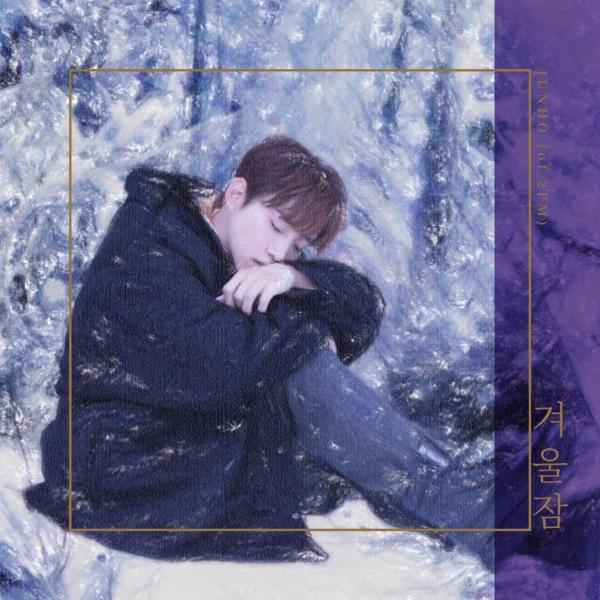
The central tension arises from this perceived divergence in life paths. The narrator pleads for a moment to catch their breath, admitting to self-reproach for not keeping pace. The desire to avoid saying goodbye and the plea for the companion to stay "just a little longer" reveal a deep-seated fear of abandonment and isolation. This is amplified by the recurring imagery of falling snow, which triggers a desire for escape through sleep, a "winter sleep" where they don't want to wake up.
The writing powerfully captures the internal struggle of feeling out of sync with the world and oneself. The narrator laments a decade of change, questioning why their companion always outpaces them and never looks back. The profound curiosity about the companion's experiences – whether they are happy or sad – underscores the narrator's disconnect and loneliness. The feeling of carrying "loneliness on my shoulders" while the other person runs alone highlights the perceived futility of their own efforts.
This emotional weight is amplified by the raw admission of wanting to quit, to scream, and to not feel like themselves. The narrator feels like a seventeen-year-old with dreams, yet everyone else seems to have changed. The struggle to navigate relationships, the desire to do well for everyone, and the realization that their methods cause hurt and pain, leading to them receiving hurt in return, creates a poignant self-awareness. The desire to "just sleep" becomes a powerful metaphor for wanting to escape these overwhelming feelings of inadequacy and conflict.
 View Artist