Song Meaning
The narrator expresses a deep yearning to escape to the "green mountain," a place of imagined solace. They declare, "I want to live, I want to live," specifically "in the green mountain." This desire is rooted in a simple, almost primal existence, subsisting on "mulberries and wild grapes." The repeated wish to live in the green mountain paints a picture of someone seeking refuge from an unbearable present.
The lyrics then pivot to a profound sense of sorrow, directly addressing a bird with "Cry, cry, bird." The narrator equates their own suffering to the bird's cries, stating, "Even I, with more sorrow than you, / Wake up and cry." This comparison highlights an overwhelming grief that surpasses even the natural expression of pain in the wild, suggesting a deep, internal anguish.
The core of the song's emotional weight lies in the stark contrast between the idealized mountain retreat and the harsh reality of interpersonal conflict. The narrator questions the target of aggression: "Whose stone was it that was thrown? / Whose was it meant to hit?" This leads to a devastating conclusion: "Without hating or loving anyone, / I am struck and die." This implies a random, indiscriminate violence or misfortune that befalls the narrator, irrespective of their feelings towards others, amplifying the sense of helplessness and despair.
The nonsensical, repetitive chorus, "Yalli yalli yalla syeo yallari yalla," acts as a poignant counterpoint to the verses' heavy themes. It could be interpreted as a desperate, almost instinctual chant, a way to process or perhaps numb the pain, or even a lament that defies rational articulation. This juxtaposition of profound sorrow and abstract vocalization underscores the ineffable nature of the narrator's suffering, making the emotional impact all the more potent.
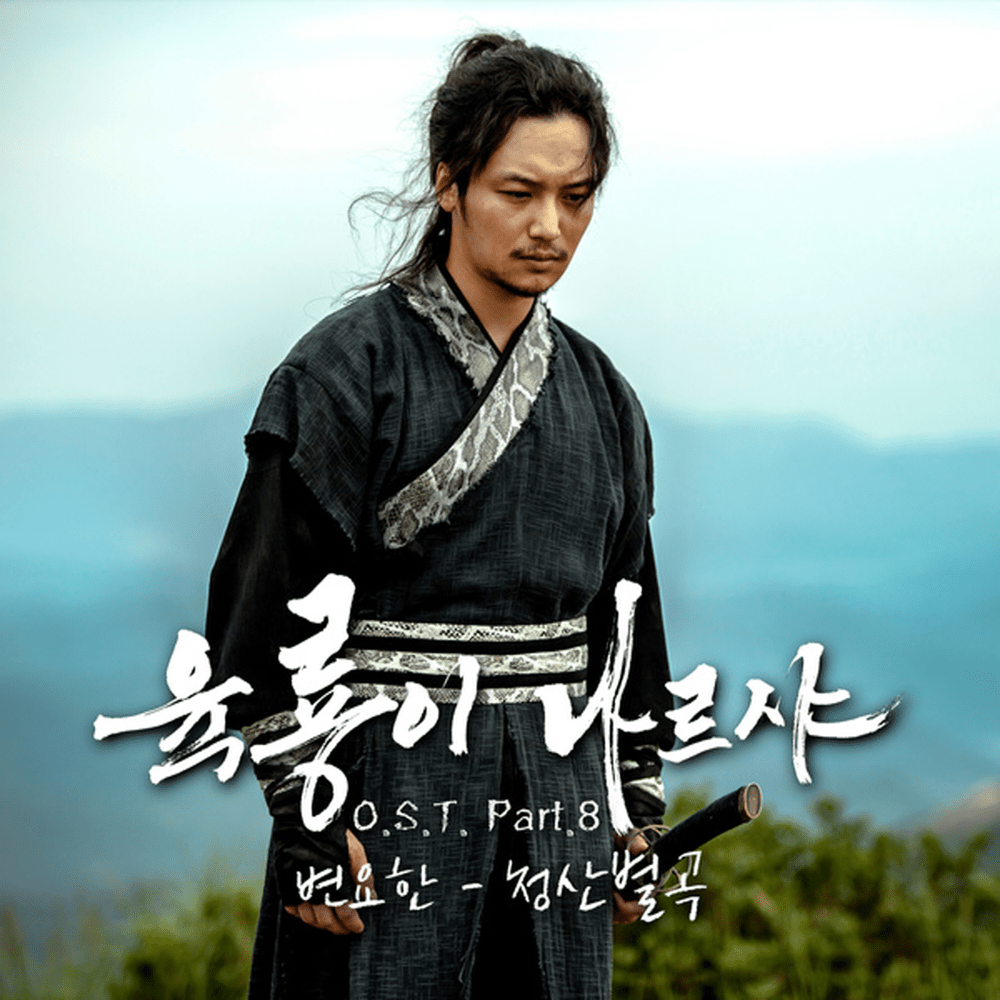
 View Artist