Song Meaning
The lyrics paint a stark picture of loss and finality, beginning with a tender, almost childlike request to be walked through the 'morning dew.' This idyllic scene is immediately shattered by the refusal, a blunt 'Can't walk you out... at all.' The contrast between the gentle imagery and the harsh denial sets a tone of profound sadness. The narrator then claims to hear a 'young girl crying,' a sound that is also dismissed by the other party. This shared denial of a perceived sorrow suggests a deeper, unspoken tragedy that has already occurred, leaving only echoes of pain.
The central tension lies in the stark opposition between what was and what is now. The repeated phrase 'morning dew' initially evokes a sense of natural beauty and perhaps a new beginning, but it quickly becomes a symbol of something irrevocably lost. The chorus, 'Now there's no more morning dew,' acts as a devastating pronouncement. It’s not just that the dew is gone for the day; it implies a permanent end to that specific kind of innocence or hopeful experience, a world forever altered.
The bridge offers a chilling confirmation: 'What they were saying all this years was true.' This line suggests a long-feared prophecy or warning has come to pass. The earlier denial of hearing a crying girl now feels like a desperate attempt to maintain a facade, or perhaps a sign that the shared reality has fractured. The simple, almost nursery-rhyme simplicity of the language belies the immense weight of grief and the finality of whatever event has transpired, leaving behind only the absence of what was once cherished.
This song hits hard because of its masterful use of negation and absence. The power isn't in describing the tragedy directly, but in the insistent denial and the subsequent pronouncement of what is no longer possible. The 'morning dew' becomes a potent, if simple, metaphor for a lost state of being, a world where innocence and shared experience have been extinguished. The lyrics leave the listener with a profound sense of emptiness, a quiet devastation that resonates long after the words fade.
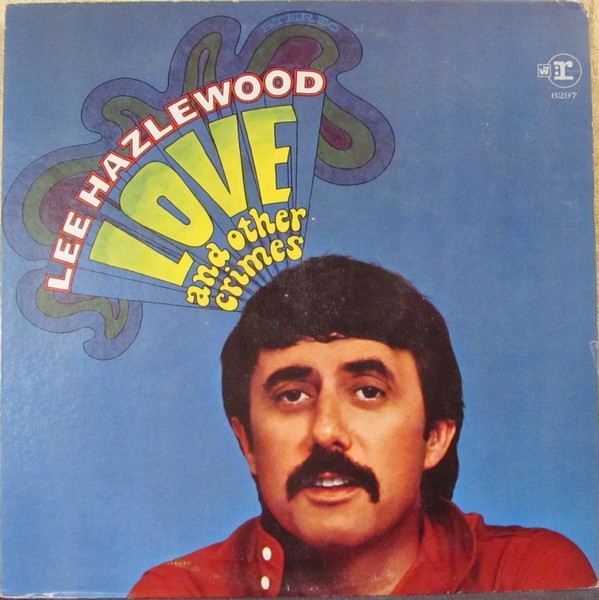
 View Artist