Song Meaning
The narrator stands on a desolate roadside, caught in a relentless rain and feeling utterly lost, both geographically and existentially. The imagery of "muddy roadside" and shoes "wearin' thin" paints a picture of decay and weariness, suggesting a life that's seen better days. There's a profound sense of being stuck, admitting to being "thirty years insane" and miles from anywhere, hinting at a long-standing internal struggle that mirrors the bleak external landscape. The desire to "try again" surfaces, but it's framed by the grim acknowledgment that "if it wasn't for the dyin'" there'd be hope.
The core tension lies in the yearning for a past connection and a fresh start, juxtaposed against the narrator's current state of despair and perceived unworthiness. The repeated chorus, "Loving you, loving me," acts as a mantra, a desperate attempt to reconcile self-worth with the memory of a past love. This duality suggests a struggle to love oneself when the object of past affection is so central to the desire to "try again," implying that self-acceptance is tied to that lost relationship.
The lyrics masterfully employ repetition and stark imagery to convey this emotional paralysis. The "rain just keeps on raining" becomes a metaphor for the unending nature of the narrator's sorrow or the circumstances trapping them. The contrast between the past, where they "climbed the walls in sin," and the present desire to "try again" highlights a deep regret and a longing for redemption. The narrator's fixation on the lost love, even after "a thousand days," underscores the difficulty of moving forward.
Ultimately, the effectiveness of these lyrics stems from their raw portrayal of regret and a desperate, almost futile, hope. The narrator's plea to "try again" is less a confident assertion and more a fragile wish whispered into the storm. It’s the vulnerability of admitting to past mistakes and the lingering hope for forgiveness, both for the lost love and for oneself, that makes the narrator's plight so resonant, even in its bleakness.
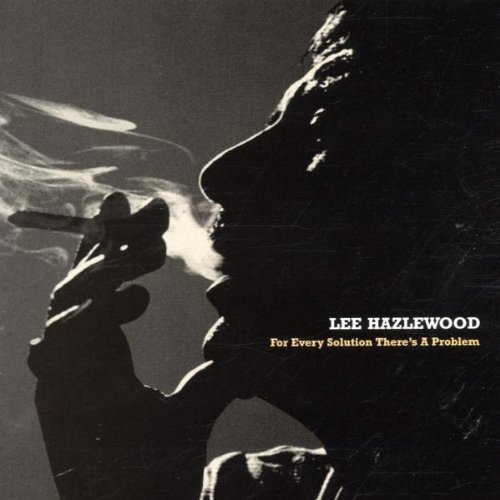
 View Artist